Her brother would not go so she made a choice. What Edward I of England built in response is the measure of what it cost.
Duncan MacDuff, Earl of Fife, held the hereditary right of his family, the specific, ancient function of the MacDuff clan within the Scottish kingdom: to crown the King of Scots at Scone. It was not ceremony. It was legitimacy. A king crowned without the MacDuff hand was a king whose title carried a question inside it. In March 1306, Robert the Bruce needed the right performed. Duncan submitted to the English instead.
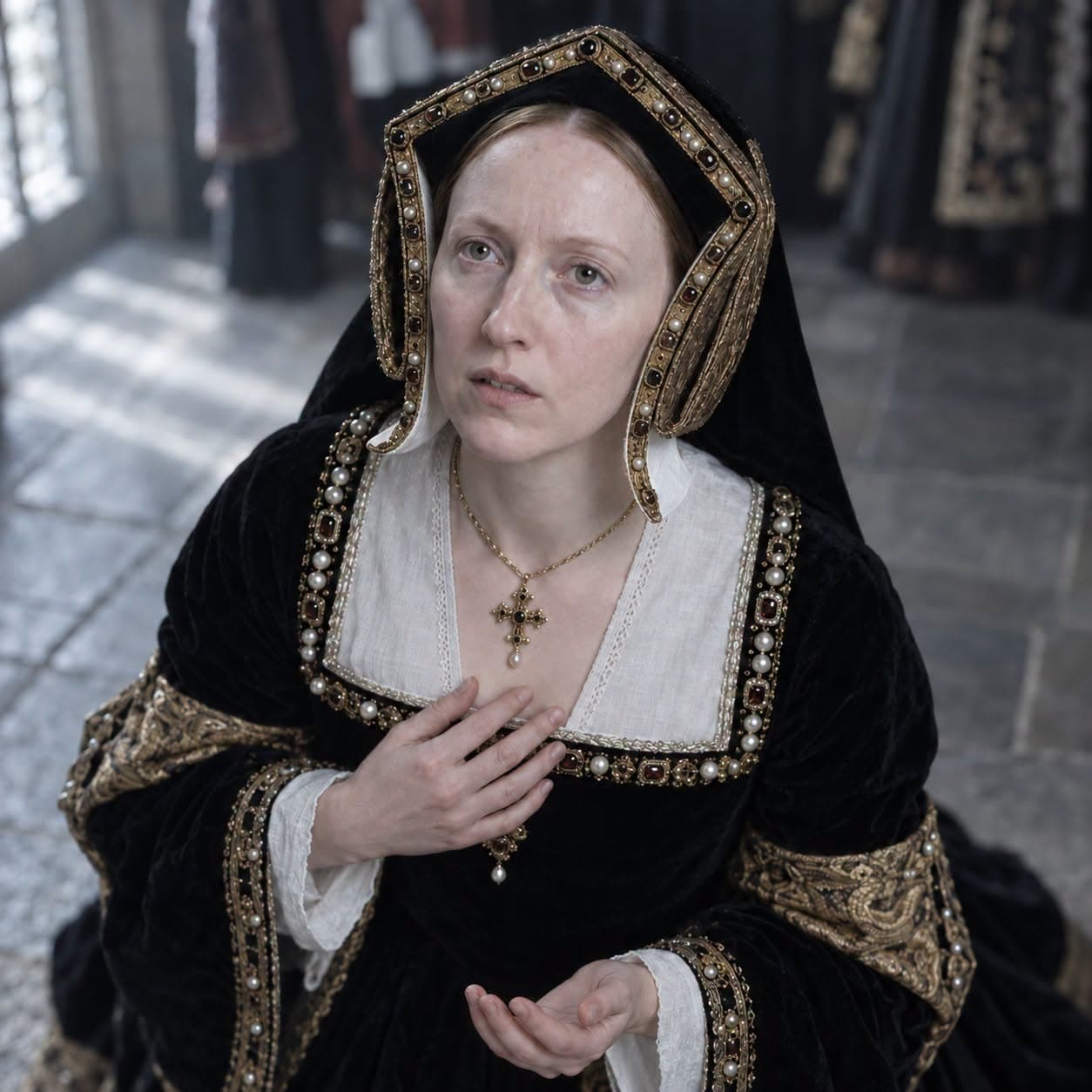
Isabella rode to Scone in her brother's place.
She was the Countess of Buchan, wife of John Comyn, Earl of Buchan, a man whose family had every reason to oppose the coronation she was riding toward. Bruce had killed the Earl's kinsman in Greyfriars Kirk in February, the act that had ignited the war, that had made the coronation necessary, that had placed every Comyn in Scotland on the opposite side of the question Isabella was now answering. She arrived at Scone a day after the first ceremony. Bruce had already been crowned once in a simpler form. She crowned him a second time herself, invoking the MacDuff right in her absent brother's place.
The second coronation was the legitimate one.
Edward I had taken the Stone of Destiny from Scone ten years before and installed it under his own throne at Westminster to make a particular point permanent. He understood what Isabella had done at Scone and he answered it in the same register.
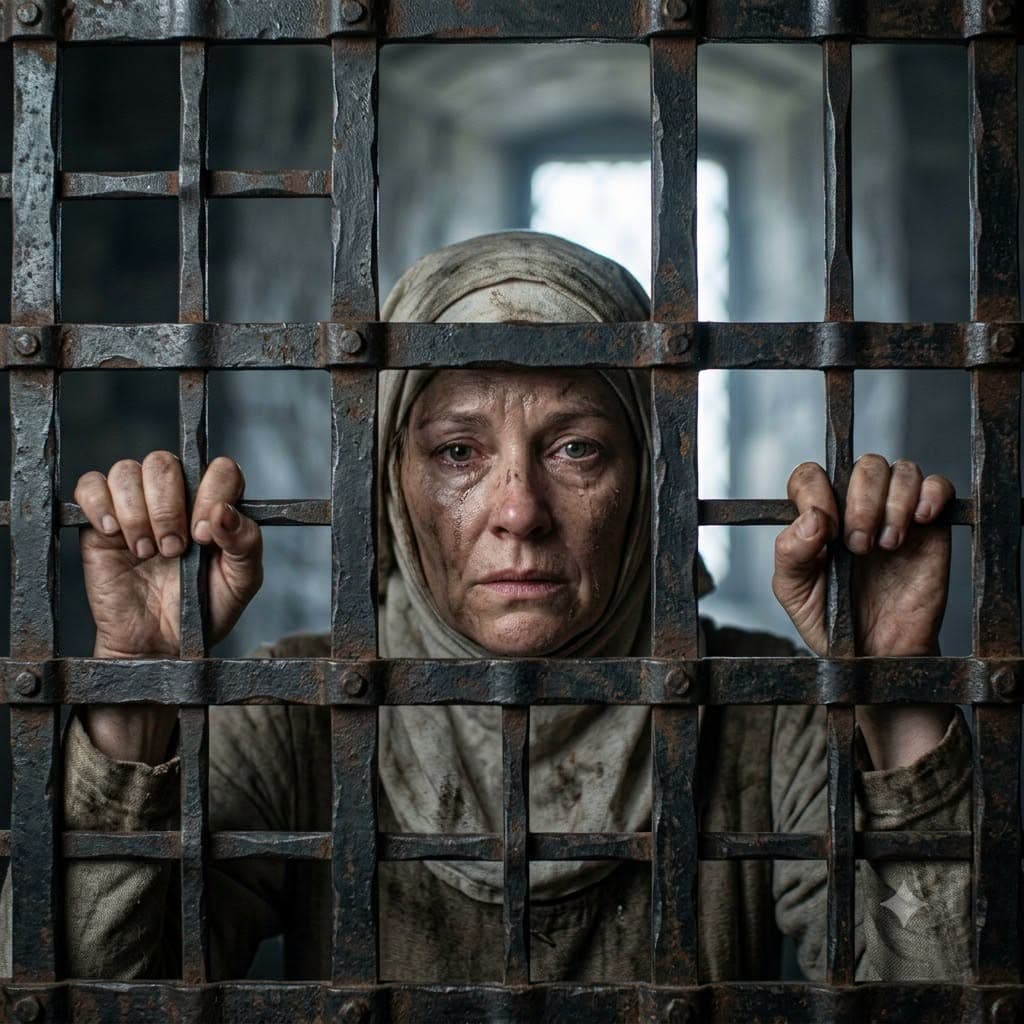
His instructions for her punishment survive in his own words. She was to be confined in a high-security cage of timber and iron built inside a secure turret of Berwick Castle. The cage was lattice-worked, a room within a room with metal grids all the way around, designed to keep her securely enclosed while remaining visible as a spectacle to those who passed through the fortress. She was to be kept there alive so that observers would see her. When she died, she was to remain in the cage, so that they would continue to see her. That both in life and after her death, Edward wrote, she may be a spectacle and eternal reproach.
She was in the cage for four years.
The Scottish winters. The confinement. The timber and iron of it. The fortress walls and the enemy garrison and the particular visibility of a woman enclosed within a castle turret for the instruction of everyone who passed. The record is Edward's order and the dates, and the dates are four years.
In 1310 she was moved from the cage into the custody of the Carmelite friars at Berwick. In 1313 the records show her released into less restrictive custody.
After 1313, Isabella MacDuff disappears from the historical record entirely.
Robert the Bruce won. At Bannockburn in 1314, his army destroyed Edward II's force and confirmed the independent Scottish kingdom that Isabella had helped legitimate at Scone eight years before. The MacDuff coronation right, the thing she had ridden across Scotland to invoke against her husband's allegiance and Edward's army, had done its work.
Edward I had built a cage designed to last longer than she did. He died in 1307, while she was still in it.