The charge was receiving a stolen goblet. They were acquitted. The court did not release them. It had noticed their religion.
In the summer of 1556, a woman named Vincente Gosset stole a goblet from a church in Guernsey and named Katherine Cawches as the receiver of it. The record of what actually passed between them is the record of a theft charge in a minor court, the kind of transaction that left traces only because of what the court did next. Katherine was tried alongside her two daughters, Guillemine Gilbert and Perotine Massey. The three women were found not guilty.
Gosset was put in the pillory and had her ear nailed to it.
The ecclesiastical authorities had been watching. In Guernsey in 1556, under the authority of King Philip and Queen Mary, not attending Mass was a matter for a different kind of court. The women were Protestant. They had not been attending Mass. The bailiff's court had acquitted them of the goblet. The church court had other questions.
They were charged with heresy and they did not go home.
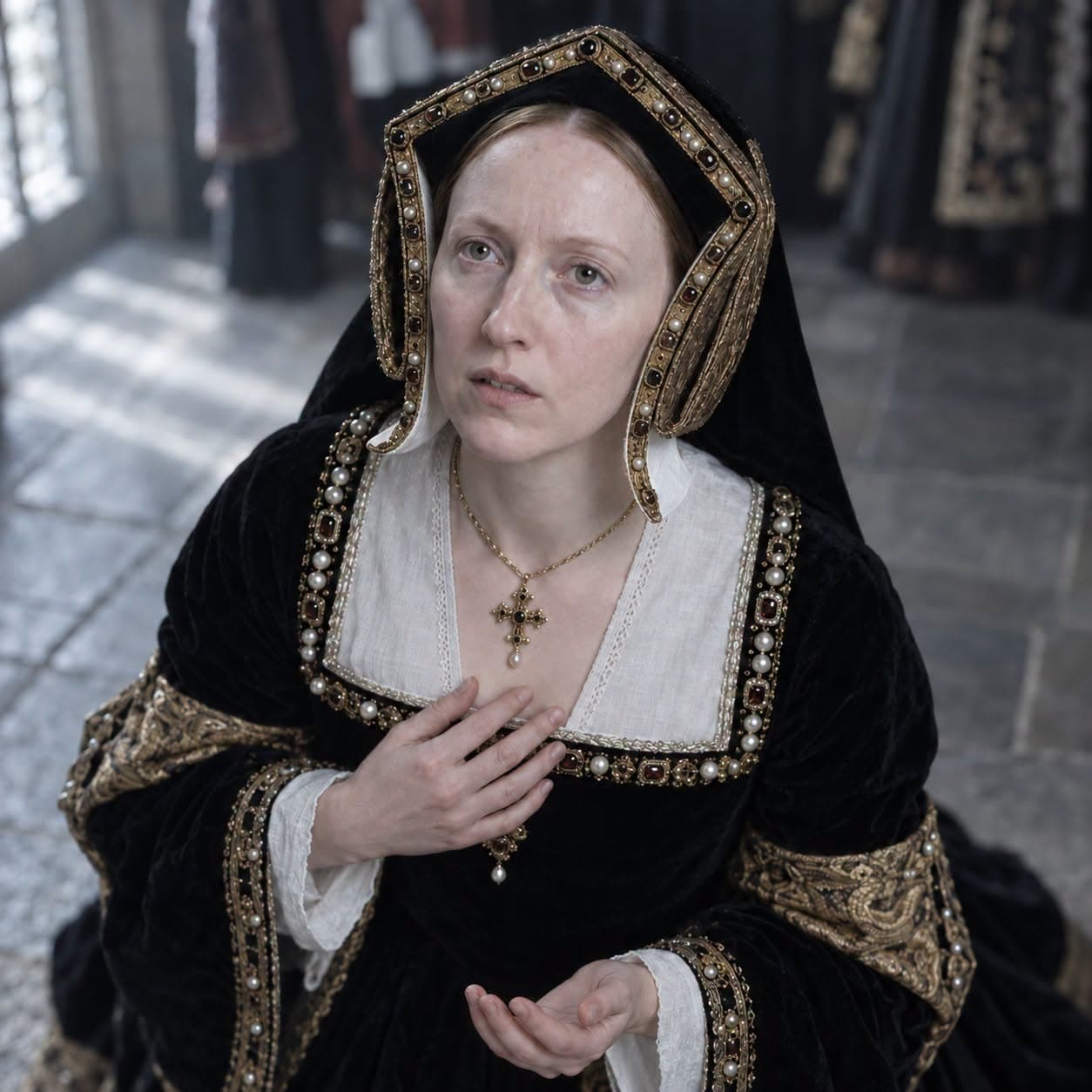
Katherine was the mother. Guillemine was her elder daughter. Perotine was the younger, married to a Norman Calvinist minister named Massey who had already left Guernsey for London before the arrests.
He had read the direction of things and gone. Men with means and mobility could go. They could read a persecution coming the way a sailor reads weather: the small legislative shifts, the new appointments, the old neighbours suddenly cautious in conversation, and they could move before the net closed. Perotine's husband moved. Perotine was pregnant and she could not follow him, and while he was in London the court took her and her mother and her sister, and none of them went home.
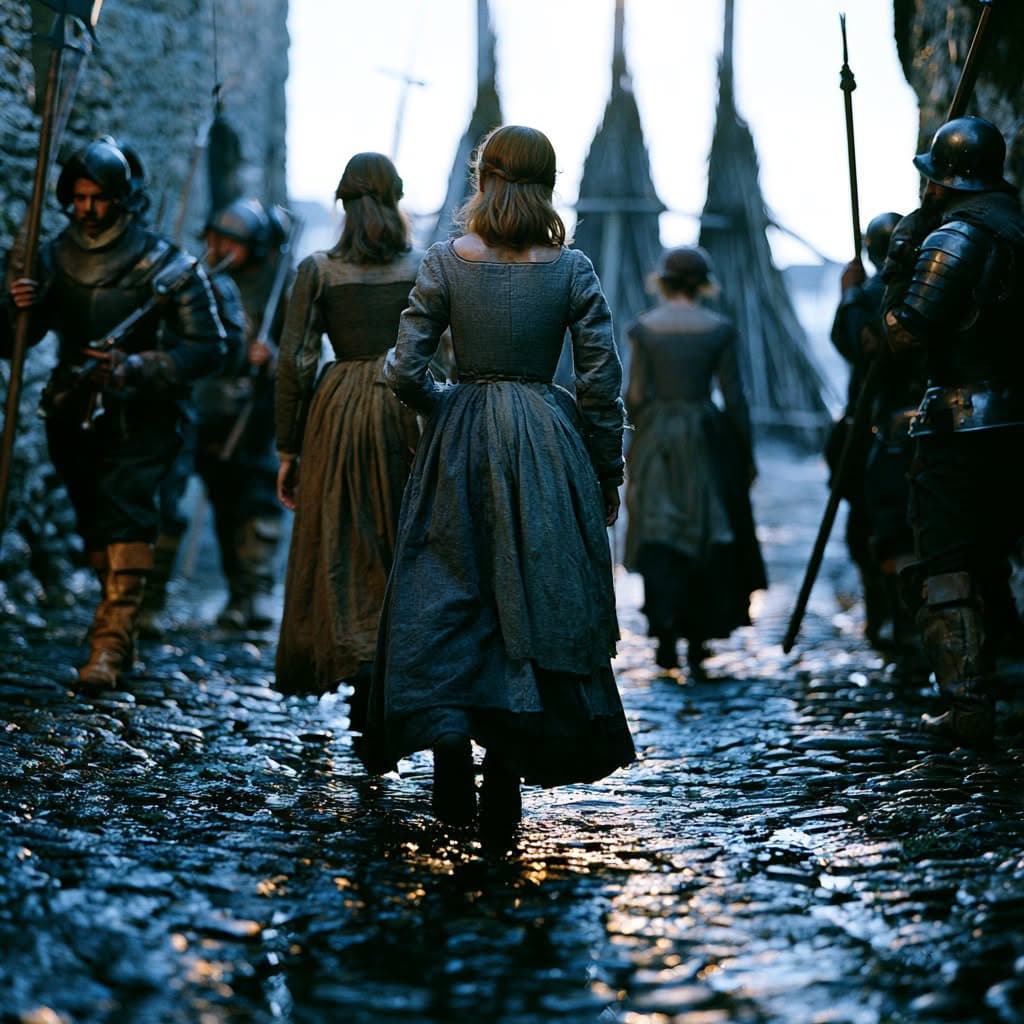
The trial was brief. The charge was holding Protestant beliefs and refusing the Catholic sacraments. The sentence was burning. All three women were convicted. All three were condemned to die at St Peter Port.
The convention of the period was that the condemned would be strangled before the fire was lit, the mercy available to those who had not recanted, the acknowledgment that the body's suffering had a limit even if the court's jurisdiction did not. Katherine, Guillemine, and Perotine were brought to the place of execution at St Peter Port on the eighteenth of July 1556. The strangling did not happen.
They were thrown into the fire alive.
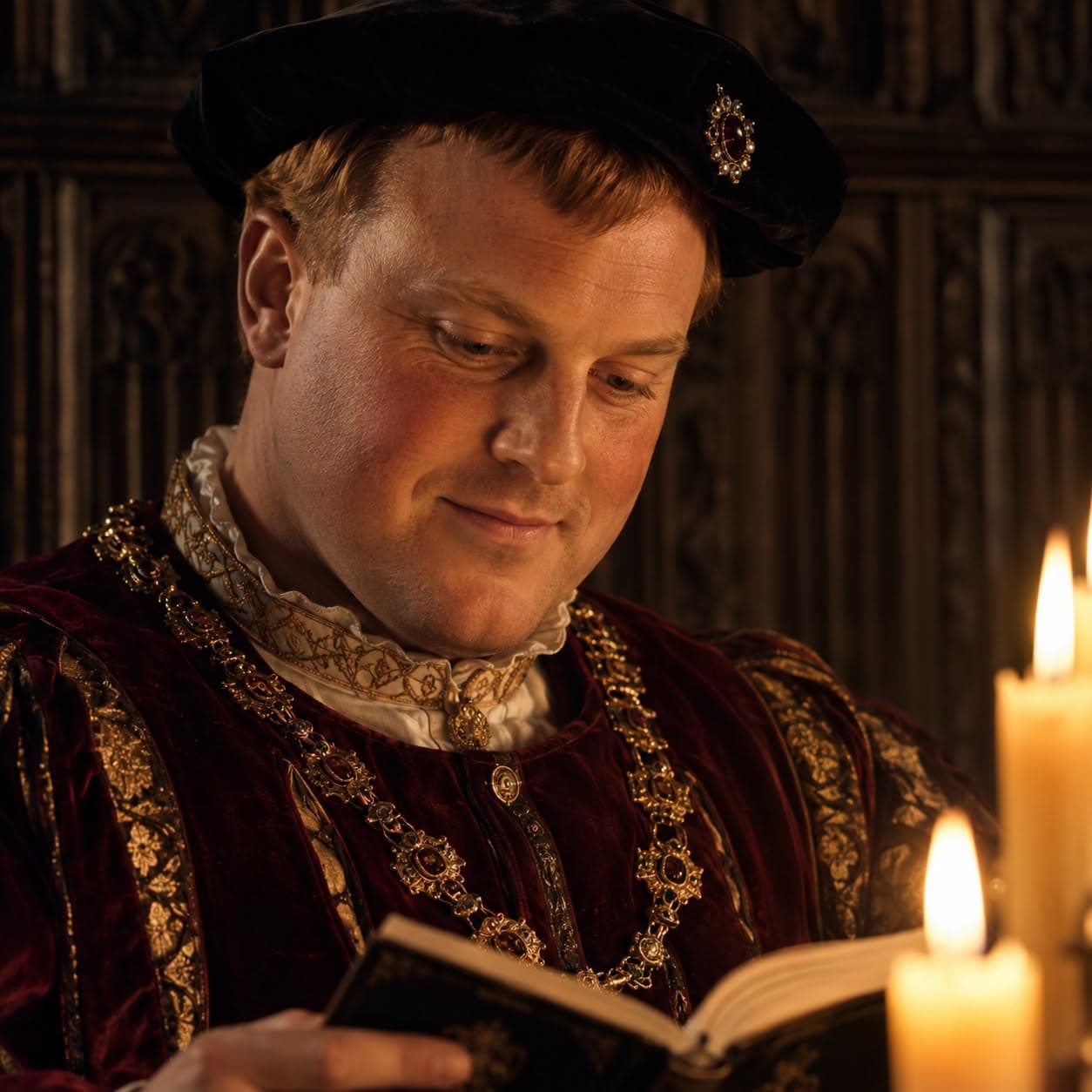
Perotine gave birth to a son in the flames. A bystander pulled the infant from the fire. Bailiff Helier Gosselin ordered the child thrown back.
John Foxe recorded the execution in his Book of Martyrs, published in 1563. He was writing within living memory of the event, in a book designed to preserve exactly this kind of specific, named, witnessed atrocity. For generations after its publication, the Book of Martyrs was read aloud in English churches, chained to the lectern alongside scripture in parishes across Protestant England, heard by congregations who would carry the names forward into the following century. It was not possible to forget what Helier Gosselin had ordered if you attended church in Elizabethan England.
Perotine's husband was in London when his wife and son burned in St Peter Port.
Under Elizabeth I, the island's regime faced royal commissions investigating the atrocity. Because the newborn infant had never been tried or condemned for heresy, Gosselin’s order to throw the child back into the flames was legally classified as murder. He was found guilty and condemned to hang.
Elizabeth pardoned him.
The Queen chose political stability over a wave of retaliatory executions for the actions of her sister's reign. Gosselin was permanently stripped of his position as Bailiff, but the royal pardon saved him from the gallows and left his private property intact.
The three women's names are on a memorial on Tower Hill Steps in St Peter Port. Helier Gosselin's name belongs exclusively to the record of the crime, preserved forever by Foxe in one of the most widely read texts in Protestant England.
It has stayed there too.