On the ninth of July 1572, nineteen men of faith were led into a turf shed at an abandoned monastery near Brielle. They had been promised their lives if they surrendered. The beams above them were already fitted with ropes.
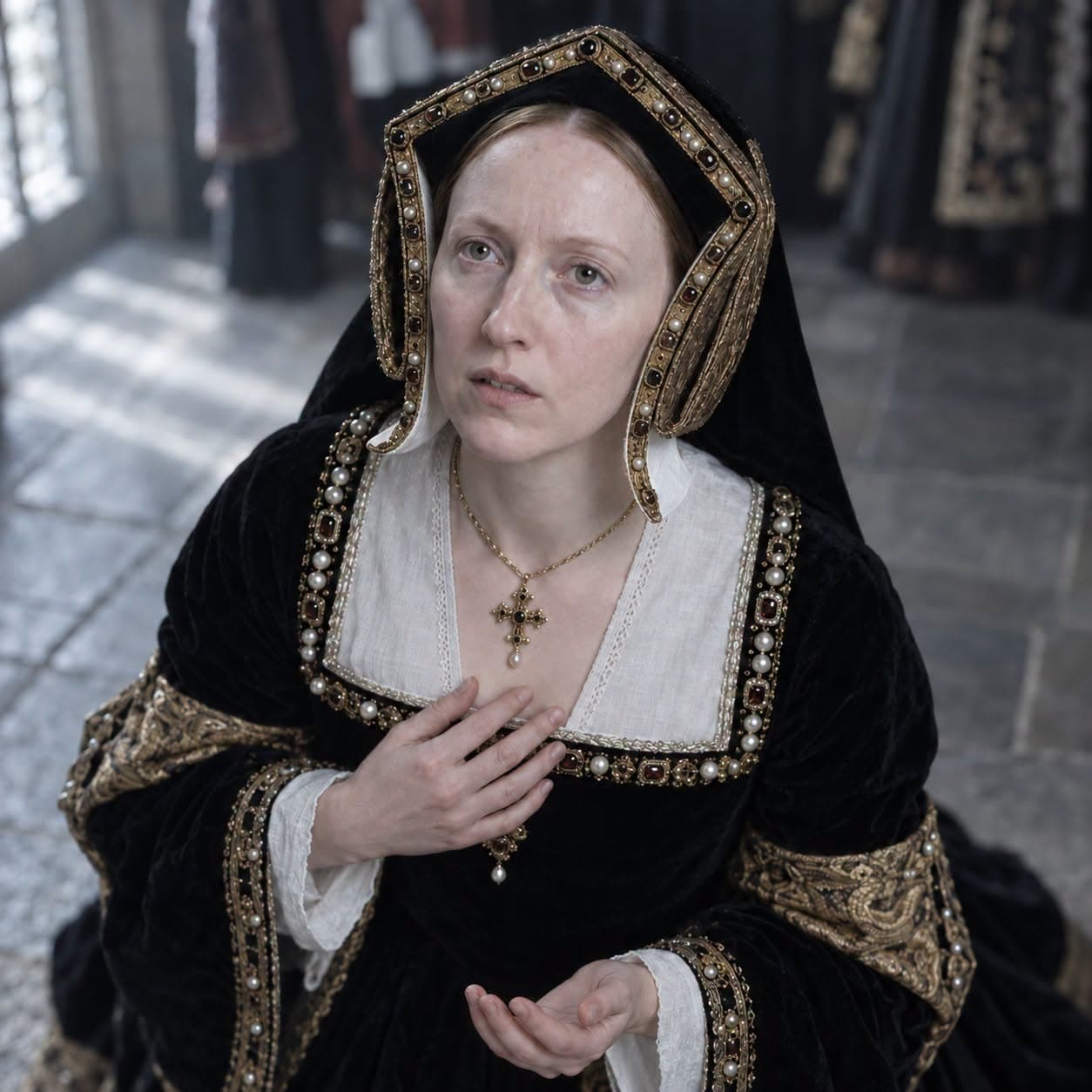
A few weeks earlier, the waterborne rebels known as the Sea Beggars had come up the rivers of Holland under their orange banners. They had seized the town of Gorkum during the Dutch Revolt and broken into its church and castle. As the fighting closed in, the Catholic clergy of the town, Franciscans, parish priests, one Dominican, one Augustinian, two Norbertines, gathered in the castle for protection. They were told that if Gorkum surrendered and its goods were handed over, their lives would be spared. The town yielded. The promise did not hold.
The clergy were separated from the rest of the prisoners and subjected to interrogations that went beyond politics. They were beaten, dragged through the streets, and given mock executions. Again and again the same demands were made. Deny that Christ is truly present in the bread and wine of the Mass. Deny that the bishop of Rome is head of the Church. They were offered safety in exchange for those words. One priest faltered. The others did not.
On 6 July they were marched half-clothed to the waterfront and pushed into the hold of a ship. The vessel took them away from Gorkum toward Brielle, stopping at Dordrecht along the way. There, the rebels turned their prisoners into a show. People paid money to climb aboard and look at the huddled, half-naked priests and friars lying on the boards in the dark, mocked for believing that a piece of bread could hold God. Then the ship cast off again, carrying them further out of the town where they had lived and into a place none of them knew.
Brielle had already become a symbol. It was the port the Sea Beggars had seized earlier that spring, the town whose capture had lit the first sparks of revolt across Holland. When the nineteen prisoners were brought ashore there, they were taken to Lumey, Admiral of the Beggars, a nobleman whose hatred for Catholic clergy ran deeper than his loyalty to any prince. He questioned them in the presence of local officials. Once more he offered them freedom if they would renounce the Mass and the pope. Once more they refused.
Not everyone wanted them dead. William of Orange, leader of the revolt against Spanish rule, had sent orders that priests and monks were to be left unharmed. Local magistrates in Brielle protested against killing the prisoners. Lumey ignored them. He had his own idea of what needed to be done.
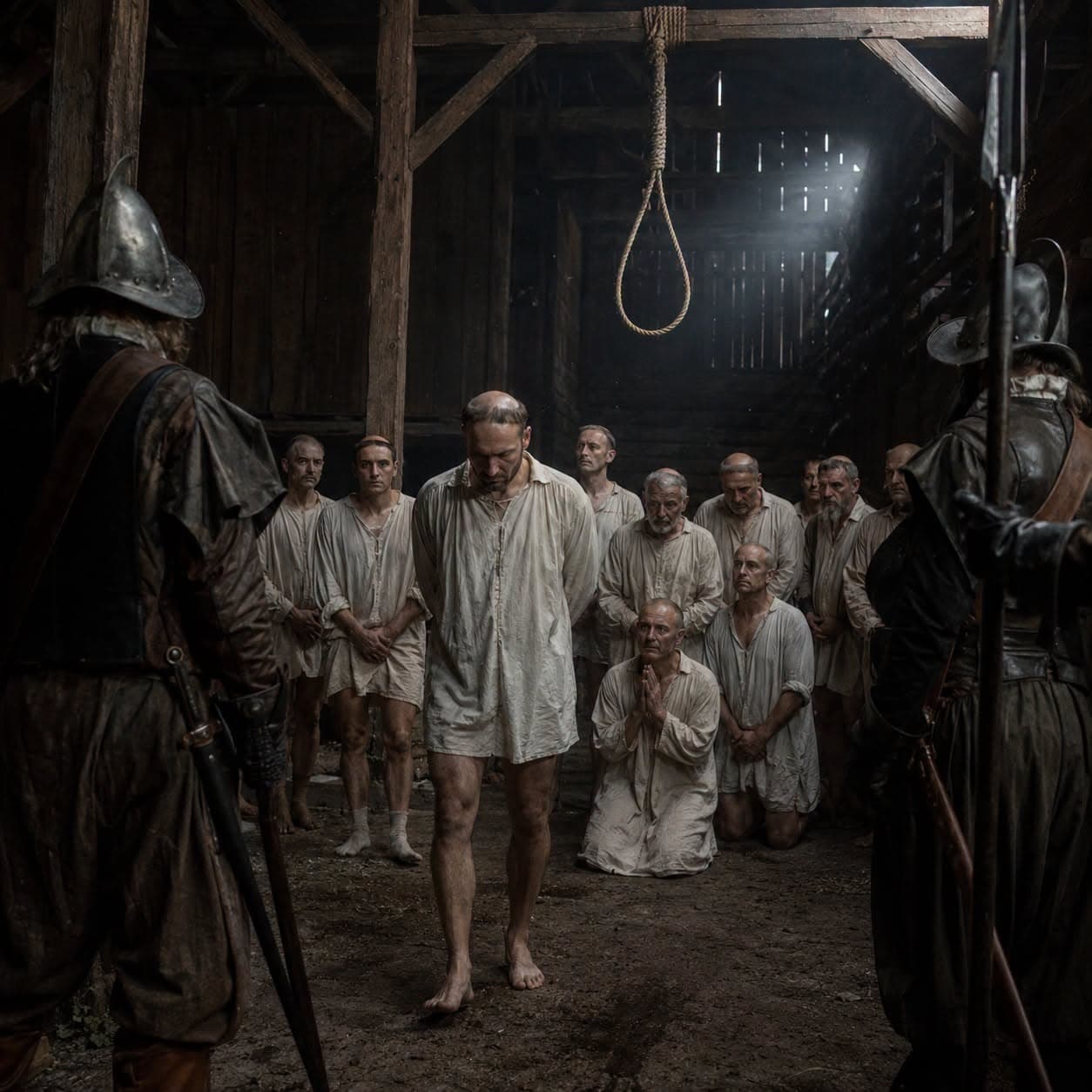
In the abandoned Rugge, or St Elizabeth, monastery near the town, there was a turf shed used for storing peat. On the evening of 9 July, the nineteen prisoners were brought there under guard. Inside, ropes had been thrown over the beams above the floor. The men’s hands were bound. They understood, without anyone needing to say it, what the ropes were for.
Father Nicolas Pieck, a Franciscan, spoke first. He turned to his companions and told them he would be the one to go ahead. One account remembers him saying that he would show them the ladder to heaven and asking them to follow him like soldiers of Christ. He stepped toward the rope and let himself be tied. The others followed, one by one, in the order called for them.
The killings were clumsy. The ropes were badly fixed. Some of the men had to be hauled up and down several times as the executioner tried to make them hang properly. The shed was crowded with bodies, some still struggling, some already still. It took hours for the last movements to stop. When the men were finally dead, soldiers came in and mutilated the corpses, cutting them and tearing pieces away. The remains were thrown into a ditch.
Outside the shed, the revolt went on. Towns changed hands. Armies marched. The cause spoken of in pamphlets and proclamations was the liberation of the Low Countries from Spanish tyranny and foreign rule. In that larger story, nineteen hanging bodies in a peat shed could have vanished as one more brutal detail among many.
They did not vanish. Catholics in the region learned what had happened and began to come to the place where the friars and priests had died. Stories spread of small signs and healings at the ditch where the bodies had been thrown. The names of the nineteen men were gathered and remembered. For those who believed in the faith they had refused to deny, they became more than victims of a local cruelty. They became witnesses.
Over the next century and more, their story travelled further. The Church formally recognised them as martyrs, first in beatification, then in canonization. Relics were moved to be kept in honour rather than left in an anonymous grave. The turf shed at Rugge was gone, but the idea of it remained, a rough building under a northern sky where a line of bound men had stood and waited for ropes around their necks rather than say that the bread of the altar was only bread.
Every year on the ninth of July, their names are collected together again. The town where they died is quiet. The shed where they hung is long since rotted away. The wars that made their deaths possible have been over for centuries. What endures is the record that, in that shed, they were offered one last chance to live at the price of two sentences about God and a man in Rome. They chose not to change the words.