He wanted his wife's consent to marry another woman. Frederica Louisa agreed, on terms that included the payment of her debts. She would remain his queen while somebody else became his bride.
Frederica Louisa of Hesse-Darmstadt was born at Prenzlau on 16 October 1751. Her mother, Caroline of Zweibrücken, was a woman Frederick the Great admired, and when the king needed another wife for his nephew and heir, he turned to Caroline's family. The nephew's first marriage had ended in divorce. A new bride was required to secure the succession, and Frederica Louisa was seventeen.
She married the future Frederick William II in the chapel of Charlottenburg Palace on 14 July 1769. His uncle, who had no children of his own, was arranging the future of the dynasty through him. Frederica Louisa entered a family in which her usefulness was quite clearly understood. She was to provide the legitimate children who would carry the Prussian crown into another generation.
In August the following year she gave birth to a son, the future Frederick William III. Other children followed, among them a daughter, Wilhelmina, who would become Queen of the Netherlands. The succession for which the marriage had been arranged was secured. Companionship proved harder to arrange.
Frederick William's life included Wilhelmine Encke, the woman he would eventually make Countess of Lichtenau. She remained an enduring presence through his marriage to Frederica Louisa. A royal wedding had established who would be his dynastic wife. It had done considerably less to settle how he would live.
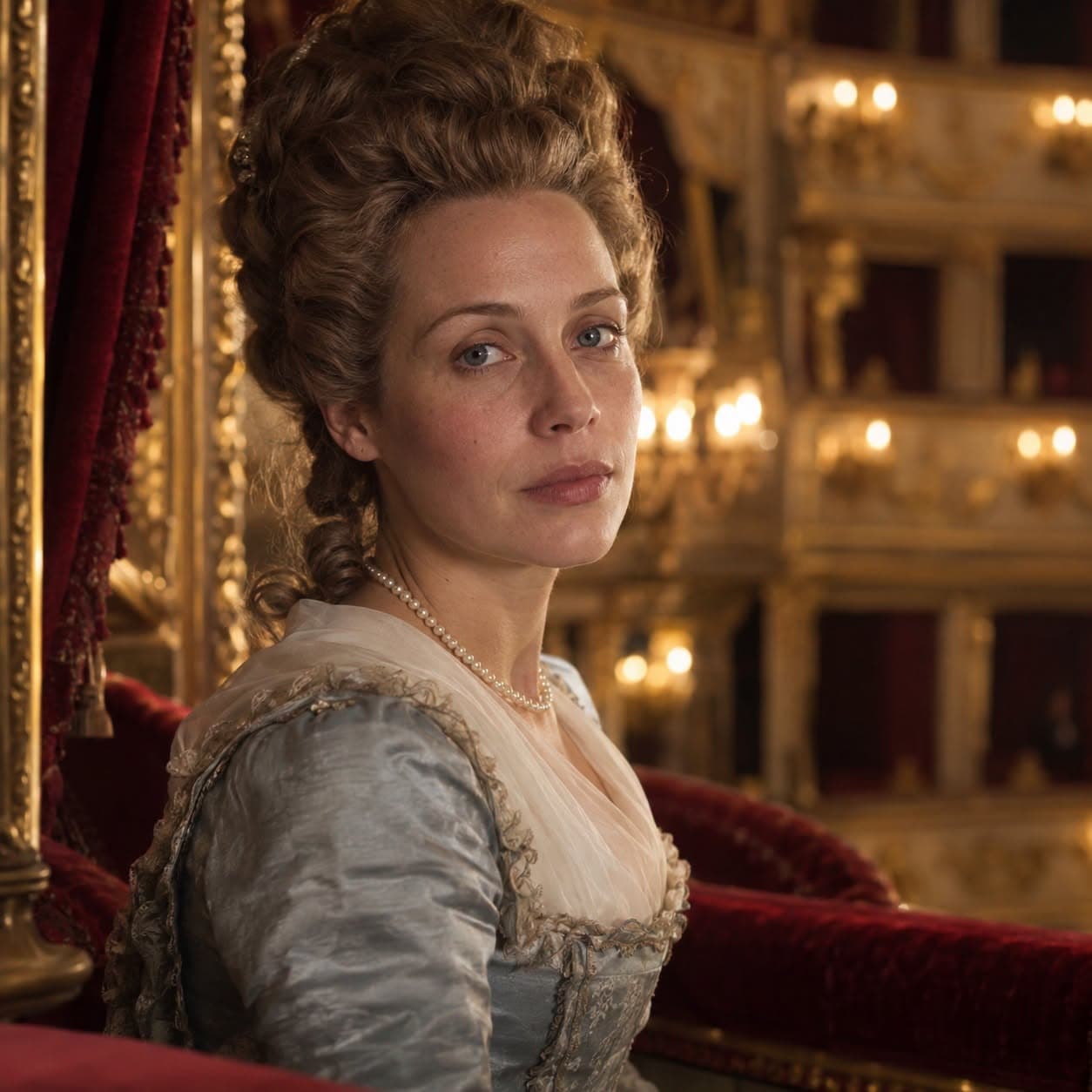
When Frederick the Great died in 1786, his nephew became king and Frederica Louisa became queen. By then husband and wife were living apart. Even an evening's entertainment preserved the separation. At opera and concerts she sat in the royal box, while he sat with his entourage behind the orchestra. They could attend the same performance without sitting together. The queen had the seat appropriate to her rank; her husband had chosen his company elsewhere.
Then there was Julie von Voss.
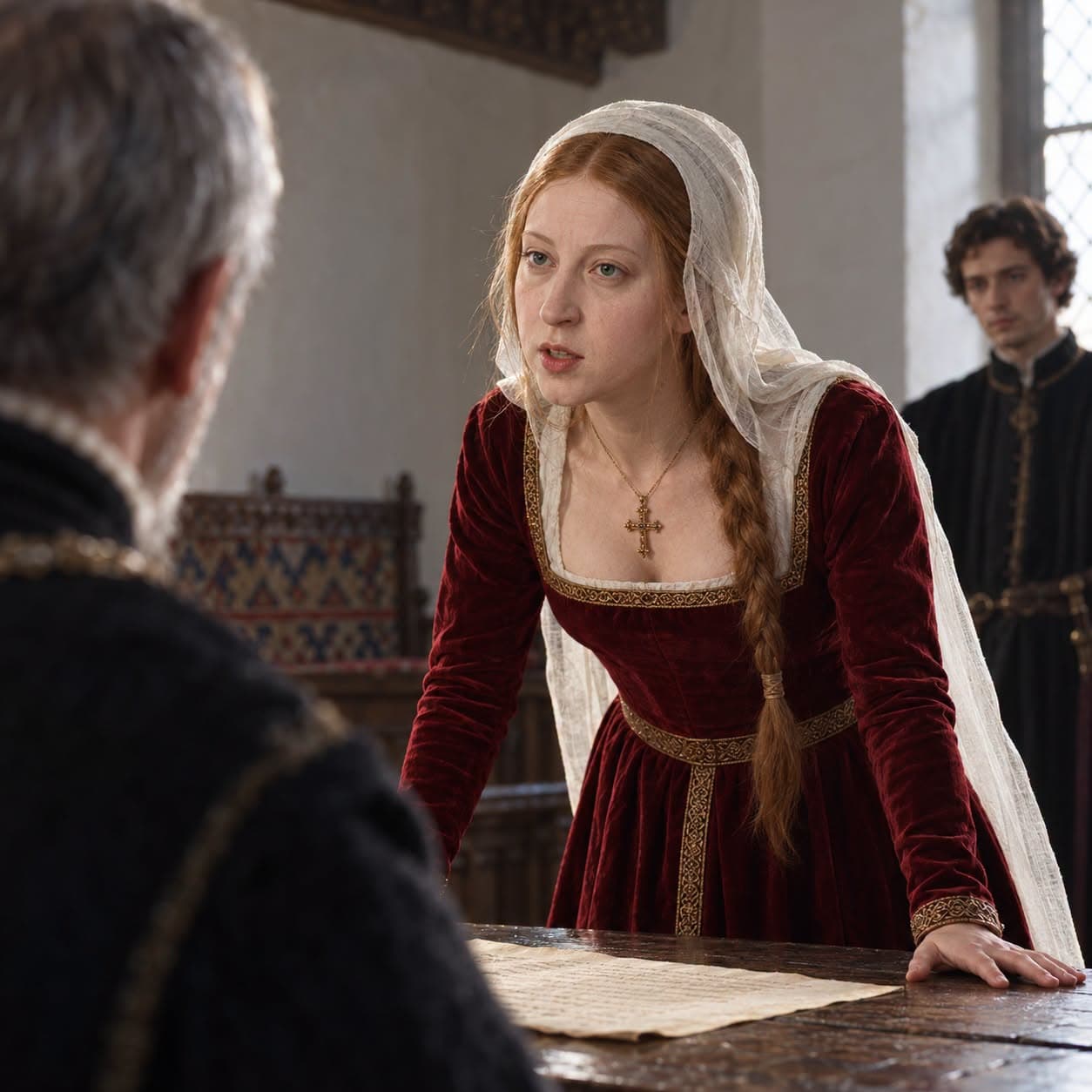
Julie was a lady-in-waiting at the court of Frederick the Great's widow, Elisabeth Christine. Frederick William had pursued her before his accession, and becoming king did nothing to diminish his interest. But Julie wanted a marriage, and one of her conditions was the agreement of the woman to whom he was already married. His wife's consent had become something he needed to obtain.
The proposed solution was a morganatic marriage, sometimes called a marriage to the left hand. Julie would not become queen, and the union would confer no rights to the Prussian throne upon her children. Frederica Louisa would keep her title and her position. This dealt with the question of rank. It left the rather substantial question of an existing wife.
For that, a family intermediary was brought in. The Duke of Saxe-Weimar, married to Frederica Louisa's sister, helped obtain her agreement. A brother-in-law was negotiating between a king and queen over the king's proposed marriage to another woman. The arrangements had acquired something of the character of a diplomatic mission, with Frederica Louisa's consent among the matters to be settled.
She had debts. Their payment became part of the bargain.
Her consent did not bring her husband back to her or restore their shared life. It did require him to come and ask for it. She used the asking to clear what she owed.
In May 1787, in the same chapel at Charlottenburg where Frederica Louisa had been married, Frederick William married Julie. Frederica Louisa remained Queen of Prussia, her son remained in the succession, and Julie became Countess of Ingenheim. The distinctions were carefully maintained. There was a title for the bride, a recognised place for her children outside the royal succession, and a continuing marriage to the queen. It was possible to accommodate a great deal once everybody's rank had been attended to.
Julie gave birth to a son in January 1789. She died of tuberculosis less than three months later, at twenty-two. Her marriage to the king had lasted less than two years, and she had obtained the wedding she insisted upon without living to see her child reach his first birthday.
Frederick William's next choice was Sophie von Dönhoff. She was one of Frederica Louisa's own ladies-in-waiting. She, too, wanted a marriage to the left hand, and she, too, made the queen's consent a condition. Once again Frederica Louisa's agreement was negotiated, and once again money formed part of the settlement. The consent he had obtained for Julie had been good for one bride. For the next, they had to ask her again.
On 11 April 1790 Frederick William married Sophie in the chapel at Charlottenburg, where he had married Julie three years earlier and Frederica Louisa twenty-one years before that. The queen had stood at that altar as the bride at the first of those weddings, and she had given her consent to the other two. She was still Queen of Prussia, and the woman he was marrying had come from her own household. Once again, somebody else had become his bride.