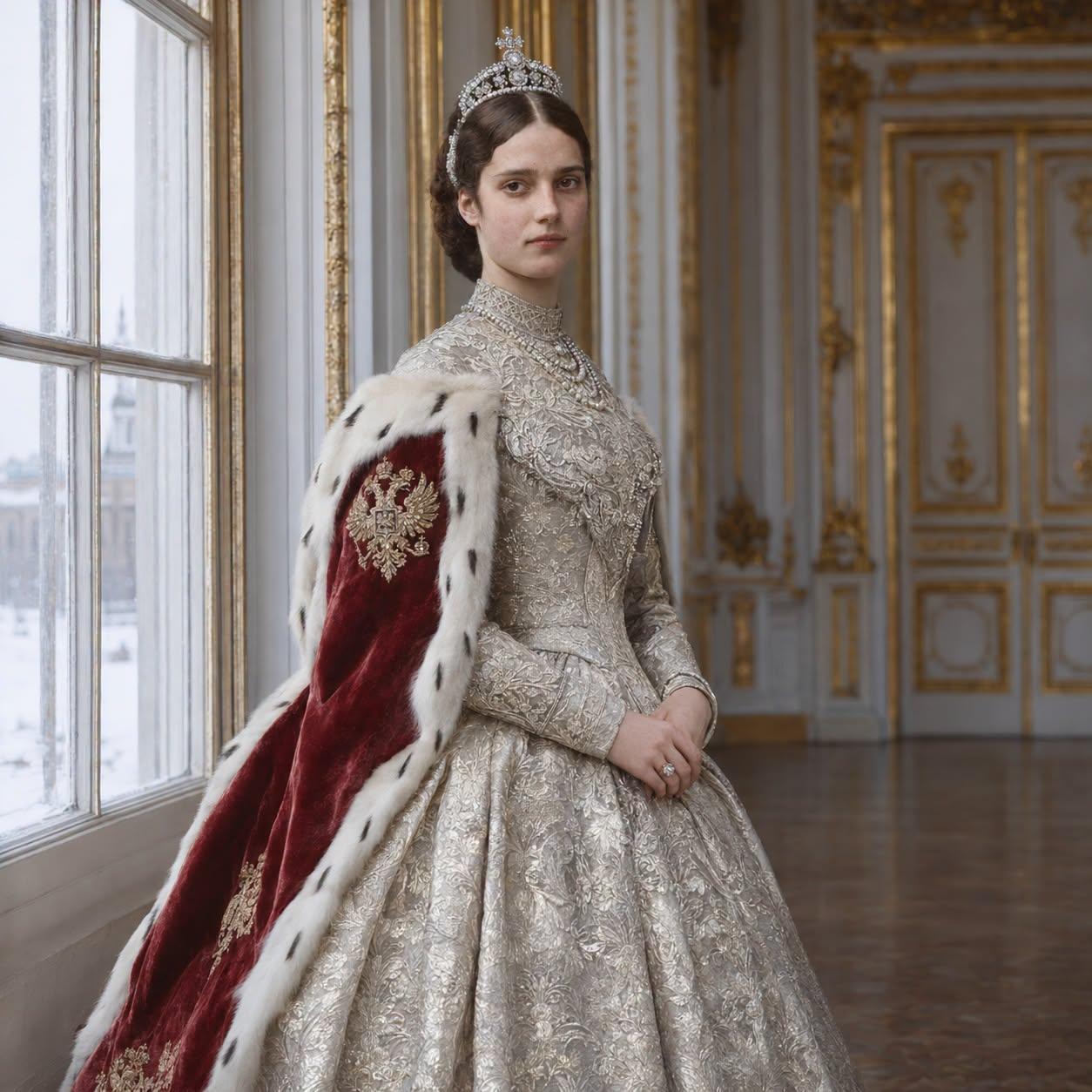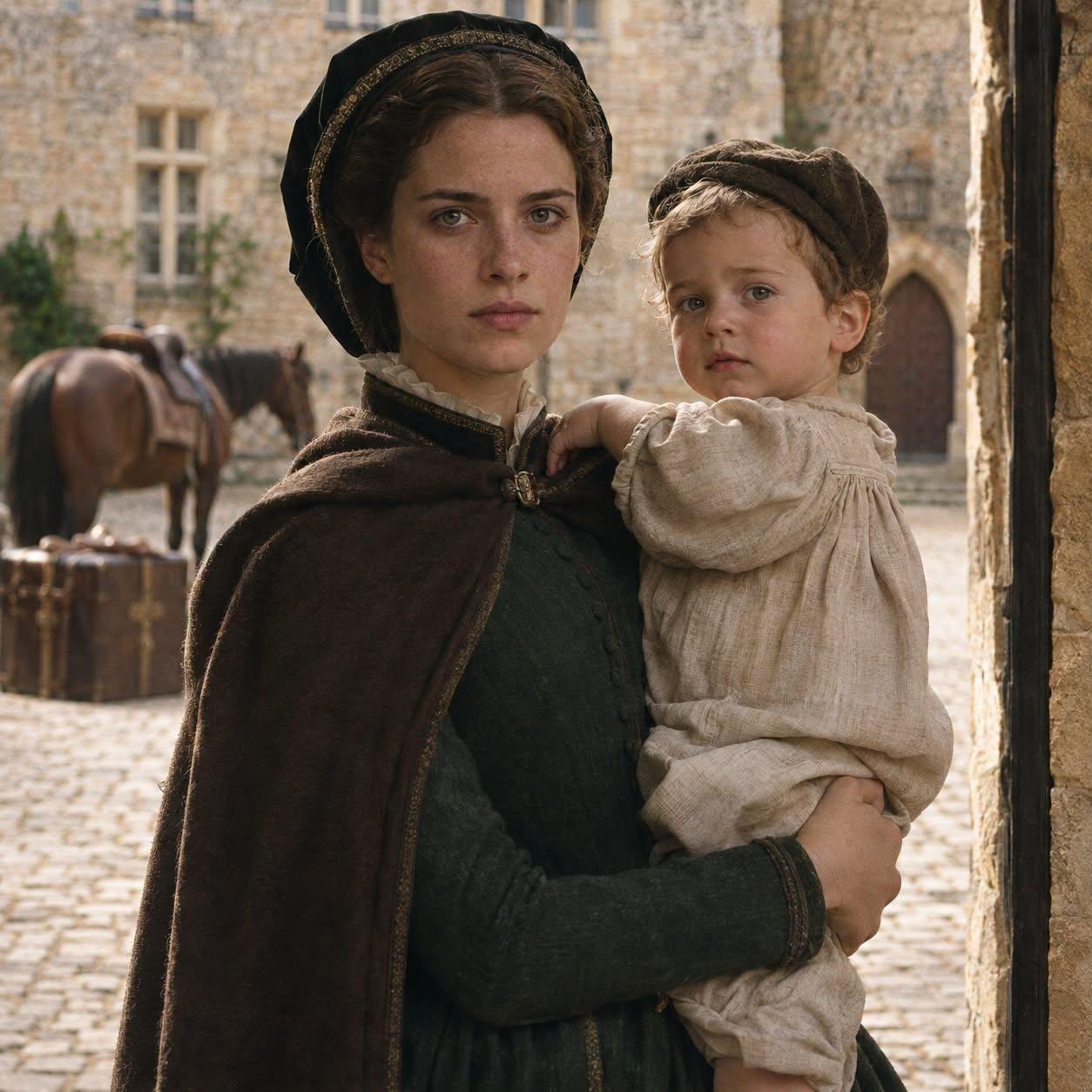
Françoise became a princess at sixteen. Before she was twenty, she would have to leave a family château for safety. Then she would lose the husband whose name she had taken.
On 8 November 1565, Françoise d'Orléans-Longueville married Louis de Bourbon, Prince of Condé, at Vendôme. He was a widower, a father and one of the leaders of France's Protestants, known as Huguenots. She entered a household that already had children, a dead wife and enemies powerful enough to threaten its survival.
Françoise had grown up in a household shaped by widowhood herself. Her father, François d'Orléans, Marquis of Rothelin, died before she was born in 1549. Her mother, Jacqueline de Rohan, brought up her children after his death and adopted the Protestant faith. At Blandy, her château in Brie, Jacqueline sheltered Protestants during the first civil war. Religion in this family meant opening the gates to people who needed somewhere to go.
It also meant dealing with the crown. Jacqueline pressed complaints about the failure to honour the religious peace. The girl who married Condé had a mother whose estates and connections were already being used on behalf of their faith. She came to the marriage with a family of her own, and with resources that mattered to the man she married.
Louis belonged to the Bourbons, princes of the blood, relatives of the royal house with a place close to the French succession. By the wedding, he had already led an army in civil war and been taken prisoner. His first wife, Éléonore de Roye, had died the previous year. Françoise took the title of Princess of Condé while still in her teens.
Yet the wedding took place during a peace. The settlement of 1563 had ended the first of France's religious wars and allowed Protestants a restricted right to worship. For a noble family arranging a marriage in 1565, there was still a future to provide for: estates to settle, children to expect, households to establish. The next war was still nearly two years away.
The marriage arrangements made provision in land. Françoise's brother, Léonor, Duke of Longueville, contributed his rights in several estates, including Montcenis in Burgundy, under a contract dated the day of the wedding. These were the practical foundations of a great match. A princess's title could place her above other women at court; land supplied the income beneath it.
Noyers, another Burgundian possession brought into the Condé family through the marriage, would become part of their story too. For the moment, the alliance joined two great families and strengthened a Protestant prince's household. Françoise had acquired a new name. Her husband had acquired family connections and property as well as a wife.
On 3 November 1566, five days before their first wedding anniversary, she gave birth to Charles at Nogent-le-Rotrou. She was seventeen. Louis already had children from his first marriage; now there was a son from the second. Charles would eventually be one of three boys born to Françoise and Louis, and the only one of the three to reach adulthood. He would later hold Montcenis, the land his mother's brother had settled before he was born, though his father would not live to see him grow up.
For a little while, the dates can be counted in wedding anniversaries and a child's birthday. Then the war returns.
Fighting resumed in 1567. Another peace followed in the spring of 1568, but by that summer Condé and his fellow Protestant leader, Admiral Coligny, were threatened again. Noyers was no longer a place where the family could remain safely. The property that had come with the marriage could give them a residence. It could not guarantee that they would be allowed to stay in it.
In August, they left for La Rochelle on the Atlantic coast. Françoise travelled with the family party, which included children belonging to Condé and his allies. Charles was not yet two. The men leading the Protestant cause were taking their families with them, away from their estates and towards a town where they could find protection. Françoise was eighteen when the year began, nineteen when she made that journey.
La Rochelle received them. The war continued.
On 13 March 1569, the royal army defeated the Protestants at Jarnac. Louis was wounded, fell from his horse and tried to surrender. An officer of the Duke of Anjou killed him. His birth and rank had made him a prince of the blood. They did not secure him a prisoner's life.
Françoise was left a widow after three years and four months of marriage. Charles, the boy born just before its first anniversary, was two. The household she had entered at sixteen had lost its head. The title she had gained at Vendôme could still give her precedence over other women at court. It could not give her back a husband. Her twentieth birthday was still twenty-three days away.