Her daughter was queen for nine days and beheaded at sixteen or seventeen. Frances Brandon attended to the consequences, settled the estate, and remarried within months. She lived for another decade. History has never quite known what to do with her. Neither, probably, did she.
Frances Brandon was born on the sixteenth of July 1517. She was the daughter of Charles Brandon, Duke of Suffolk, and Mary Tudor, the younger sister of Henry VIII. Mary was the woman who had been Queen of France for eighty-four days and had then, with the specific decisiveness of a woman who had agreed to one dynastic marriage on the condition she could choose the next, married Charles Brandon for love within months of her first husband's death. The secret ceremony took place in France. Frances was their eldest surviving daughter. The royal blood on her mother's side was as close as blood could be without sitting on the throne. She grew up understanding this with the precision of a girl raised in a household where proximity to the crown was the primary fact of existence.
She married Henry Grey, Marquess of Dorset, in 1533, when she was fifteen. It was a match made in the register of Tudor noble ambition. Grey was wealthy, Protestant, politically connected, and sufficiently well-placed to make the marriage worth arranging. Whether Frances had opinions about it is not recorded, because Frances's opinions about it were not the point. She was the daughter of Henry VIII's sister. Her blood was the asset. The marriage was the mechanism by which that asset was secured.
They had three daughters. Jane was born in 1537. Katherine was born in 1540. Mary was born in 1545. Frances raised them in a household that was rigorous, Protestant, and serious about education. The education was serious because Frances understood, with the cold clarity of a woman who had grown up watching her mother navigate the Tudor court, that an educated daughter was a more valuable instrument than an ignorant one. Jane in particular was educated with a thoroughness that produced one of the most intellectually accomplished women in England before she was fifteen. Roger Ascham visited Bradgate Park in 1550 and found Jane reading Plato in Greek while her parents hunted in the park.
Frances was the parent who had arranged that education. She had selected the tutors and funded the curriculum and ensured the books were there. She was also the parent in the park.
What she was not asking, and what Tudor noble parents did not, as a rule, ask, was whether Jane's extraordinary capabilities were being developed for Jane's benefit or for the family's. In Tudor England that question had a single answer. Frances was not unusual in not asking it. She was unusual in the height of the target she eventually aimed Jane at, and in the consequences that followed.
Henry Grey, elevated to Duke of Suffolk in 1551, was a man of Protestant conviction and moderate political ability. He found himself, in the final months of Edward VI's reign, inside Northumberland's orbit at the precise moment when Northumberland needed exactly what the Greys had: a Protestant daughter of royal blood, recently married to his son, available to be placed on the throne when Edward died. Whether Frances drove the arrangement or Grey drove it or Northumberland drove it and both Greys followed is something the historical record does not resolve cleanly. What is certain is that Frances did not prevent it. She had a daughter who was the most educated woman of her generation, married to the son of the most powerful man in England, and standing adjacent to the succession at the most volatile moment in the Tudor dynasty's history.
Frances did not prevent any part of it.
Jane was brought to Syon House in late June 1553 and told she was to be queen. She wept, and she said she was not fit, and she was taken to the Tower anyway. The crown was held above her head and she said she did not want it tried on. The men tried it on anyway. Frances was not in that room. The records do not place her there. She was somewhere else while her daughter was having a crown forced onto her head. This is either the detail of a mother who had stepped back from the mechanism she had helped construct, or the detail of a woman who understood that her presence was not required because the machine was already running.
The nine days ran their course. Mary's army arrived. The council changed sides. Jane was still in the Tower when they took down the canopy of estate and told her she was no longer queen. Outside the Tower, the world reorganised itself with the speed that Tudor worlds reorganised themselves when the calculation shifted. Henry Grey was arrested. Northumberland was arrested. Jane and Guildford Dudley were arrested. Frances went to Mary.
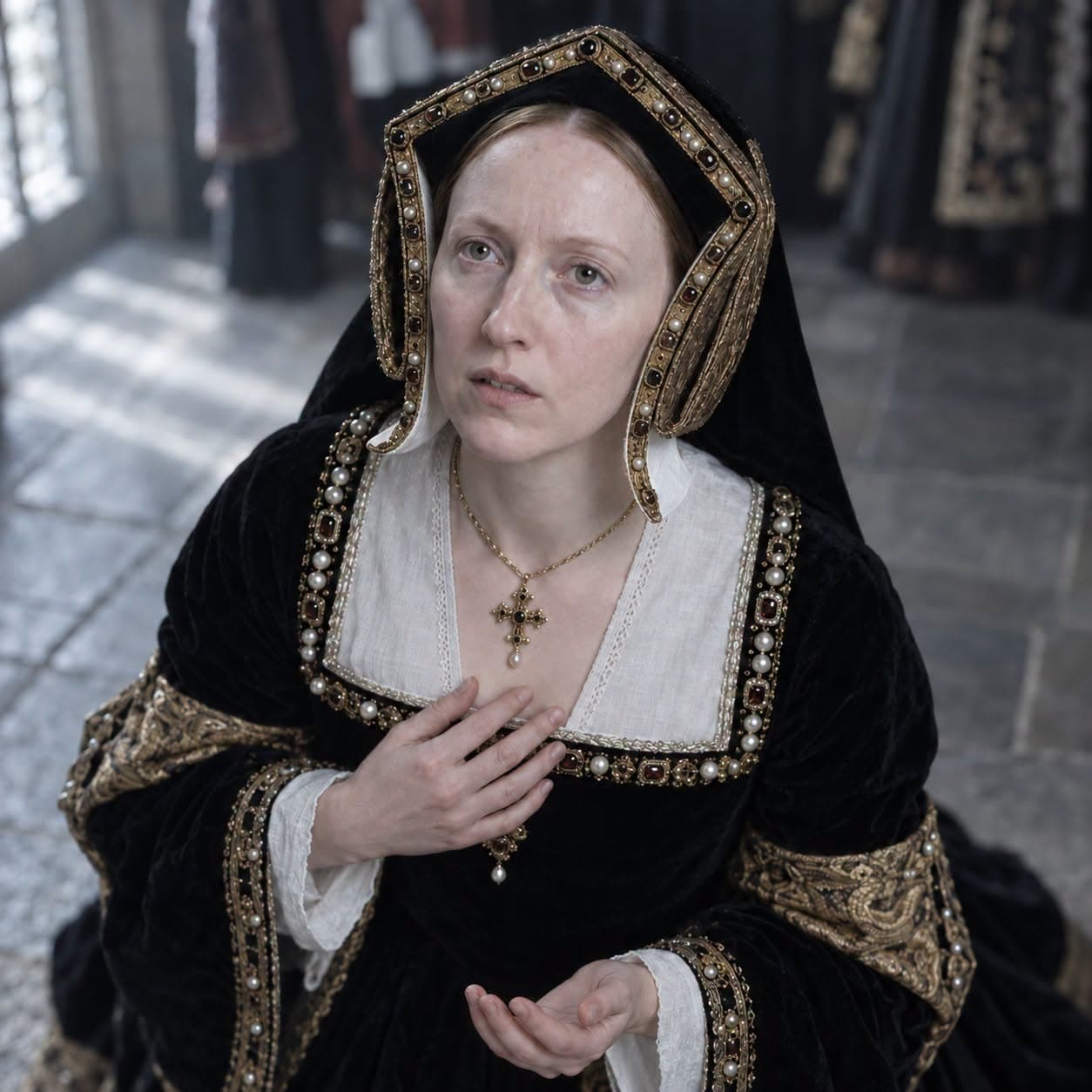
She went in person to court. She went to the new queen, and she petitioned for her husband's life with the composed efficiency of a woman who understood that composure was the only currency that worked in a room with a Tudor monarch. Mary, who was not without mercy in the early months of her reign, released Henry Grey. He was home by the autumn. Jane remained in the Tower, convicted of treason in November, but not yet sentenced to death. Mary was apparently willing to let imprisonment be sufficient. The family had survived what should not have been survivable.
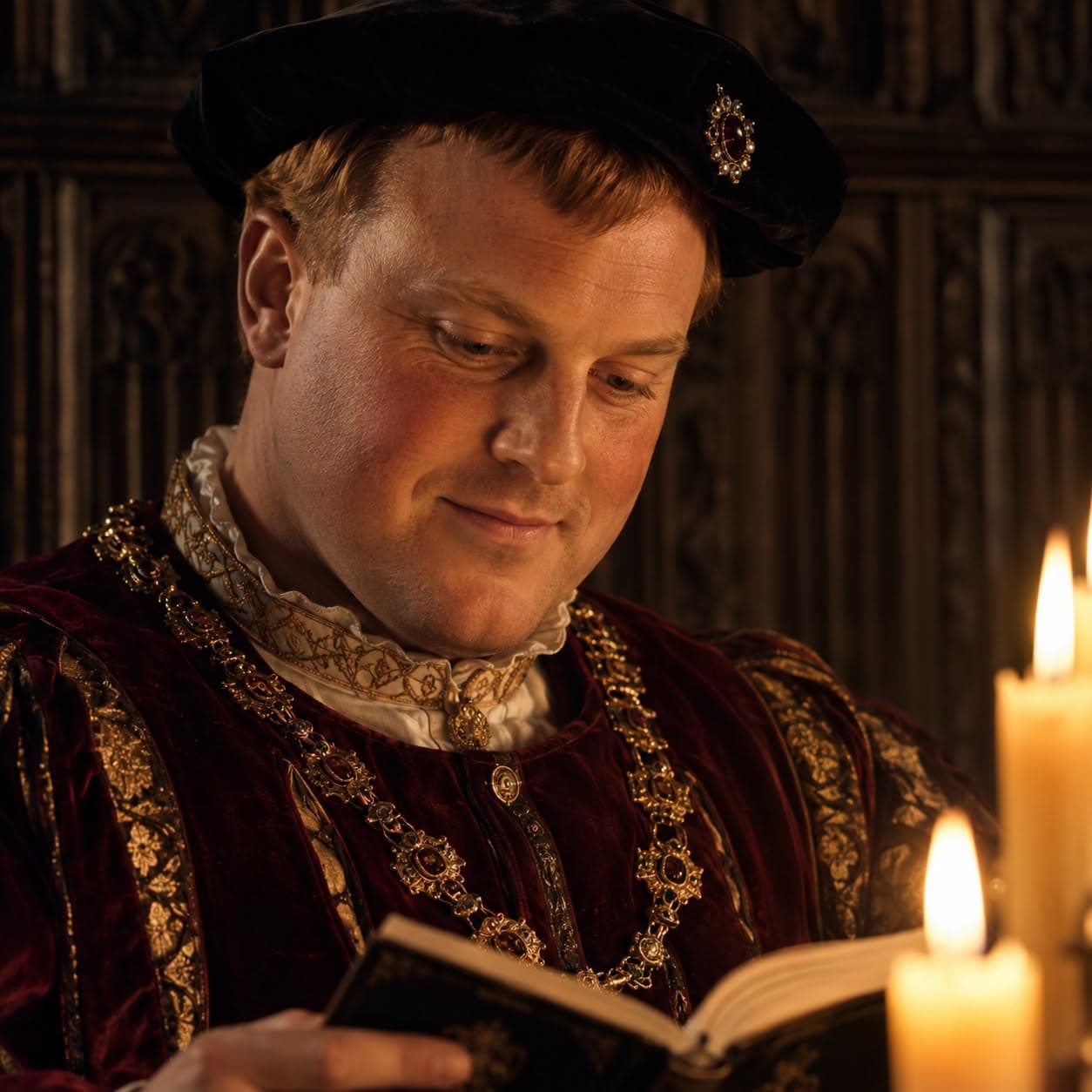
Then Henry Grey joined Wyatt's Rebellion in February 1554. He had been released from the Tower for exactly four months. He had been given his life by a queen whose legitimacy he had directly attacked by supporting Jane's accession. He had taken that life and walked back into a Protestant rebellion against Mary's Spanish marriage with the specific recklessness of a man who had not learned the only lesson his situation required him to learn.
Mary signed the warrants. She signed Jane's and Guildford's and Henry's.
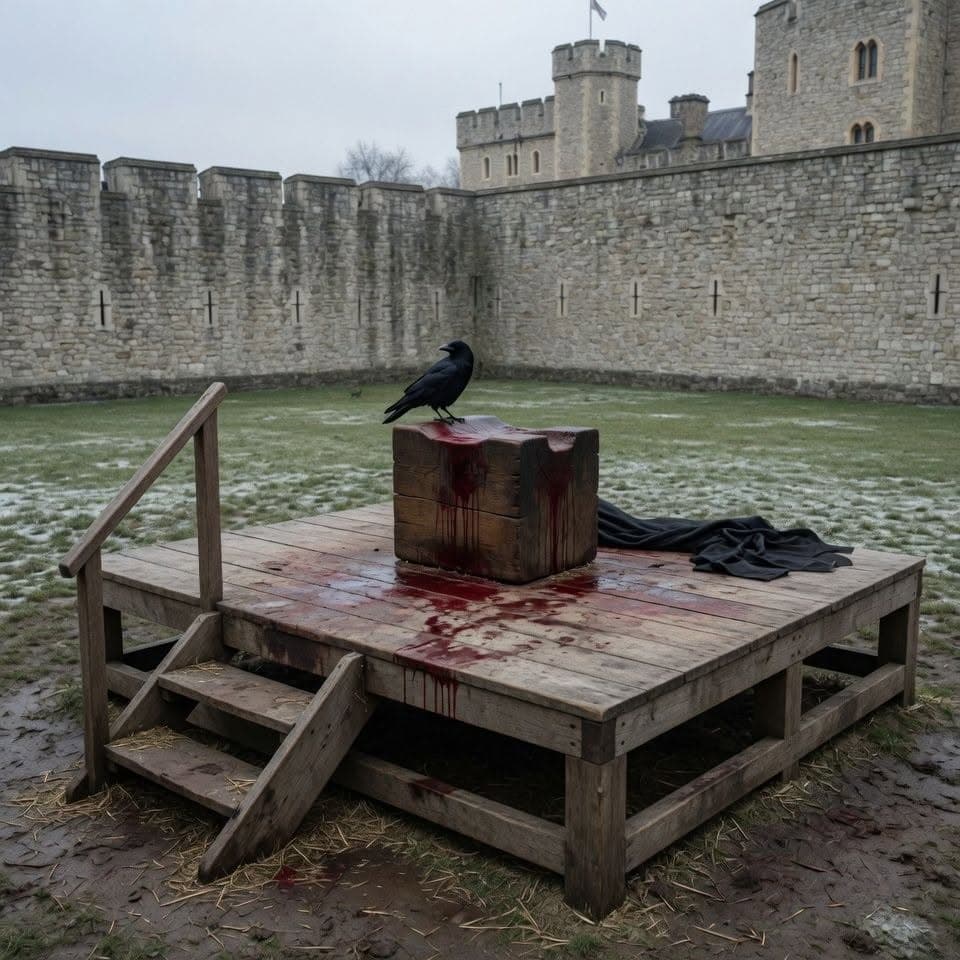
Frances does not appear in the records at the execution on Tower Green on the twelfth of February 1554 with any certainty. The sources are inconsistent on whether she was present or received the news elsewhere. What the records do show is that she attended to what followed: the arrangements, the estate, and the practical consequences of a husband and a daughter executed in the same month. Then Frances appears in the record again in 1554, having married Adrian Stokes, her master of horse. Some accounts place the wedding as early as March, less than three weeks after her husband's execution. Adrian Stokes was a man considerably younger than she was, and a man of no political consequence whatsoever. He was a man who had no claim to anything and no connection to any succession and no interest in any throne.
History has interpreted the marriage as indecent haste, as proof of cold heartlessness, and as evidence that she had always been exactly the monster the simplified version of the Jane Grey story requires her to be. But the marriage was something else entirely. It is visible only if you read it against everything that came before it.
Frances Brandon was thirty-six or thirty-seven years old in 1554. She had spent her entire life as an instrument of dynastic ambition. She had been her mother's instrument first, her husband's next, and Northumberland's finally. Every deployment of that instrument had ended in a Tower cell or an execution ground. Her mother had outmanoeuvred Henry VIII at twenty-two and won herself a love match and died at thirty-seven. Her husband had been executed for wanting too much. Her daughter had been executed for wanting nothing at all but being placed in the path of men who wanted too much.
Frances had watched the entire machinery of Tudor dynastic ambition consume everyone it touched, including the people she was obligated to love. In the wake of their deaths, she married a man with no political consequence and went to live quietly and gave the machinery nothing further to work with.
She was kind to her remaining daughters. Katherine and Mary Grey survive in the record as women their mother supported and protected with a care that does not fit the monster the history books prefer. She interceded with Elizabeth's court on Katherine's behalf. She maintained the household. She was present in the ordinary way of a woman who had stopped performing and was simply living.
She died on the twenty-first of November 1559, aged forty-two. She had outlived Jane by five years. She had outlived Henry Grey by five years. She had outlived Northumberland, and Mary Tudor, and the entire apparatus of the 1553 succession crisis. She died in the reign of Elizabeth, the cousin who had survived everything by learning precisely the lesson Frances had learned too late and applied too quietly.
Jane had written to her father the night before her death. The letter was composed and clear and precise. She forgave him for making her and her issue instruments of his unlawful intent, and she gave him instructions for how to die. She was sixteen or seventeen years old and she wrote without flinching because Frances had raised her in a household where flinching was not available. It was a household where the mind was trained to meet difficulty with composure, where the books were always there and the tutors were always there and the discipline was absolute.
Frances had raised her well, in the end. She had raised her better than she had aimed her.