Elizabeth was pregnant when they crowned her Queen of Bohemia. A year later, she would be pregnant again and fleeing Prague. The baby born between those two Novembers would not yet be one.
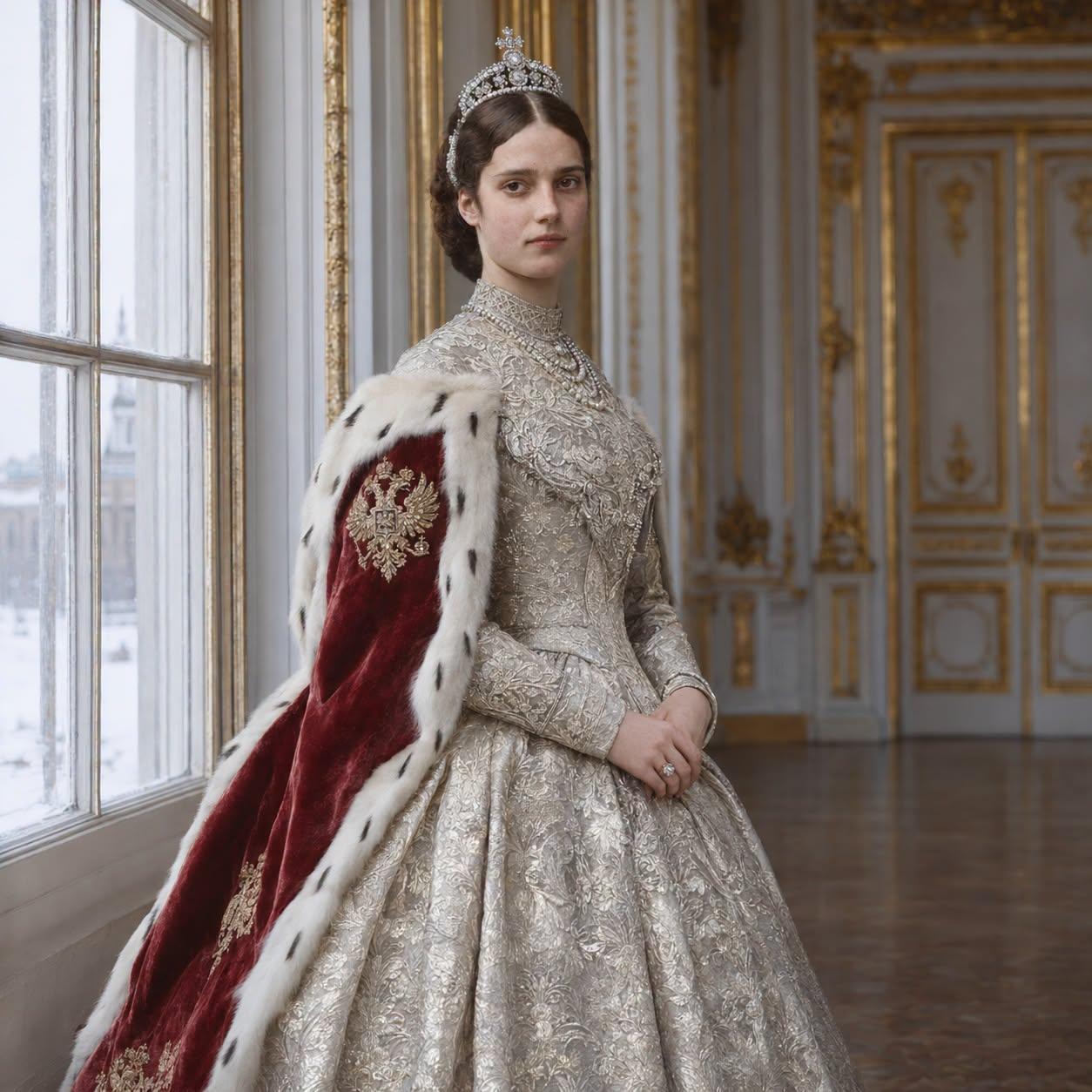
On 7 November 1619, Elizabeth Stuart was crowned in St Vitus Cathedral in Prague. She was twenty-three, the daughter of James VI of Scotland and I of England, and her husband Frederick had received his crown three days earlier. The child she was carrying would be born in Prague that December. They would call him Rupert.
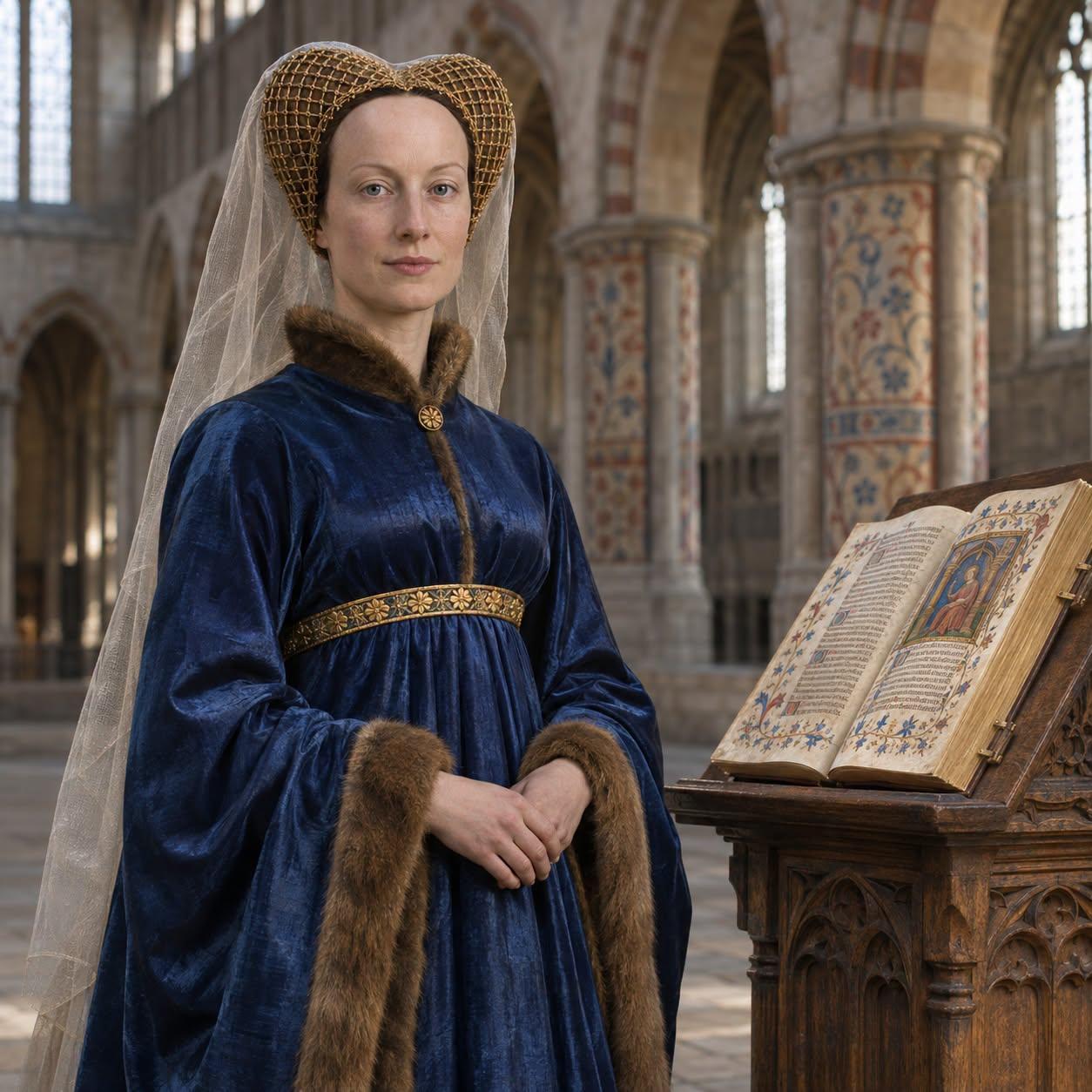
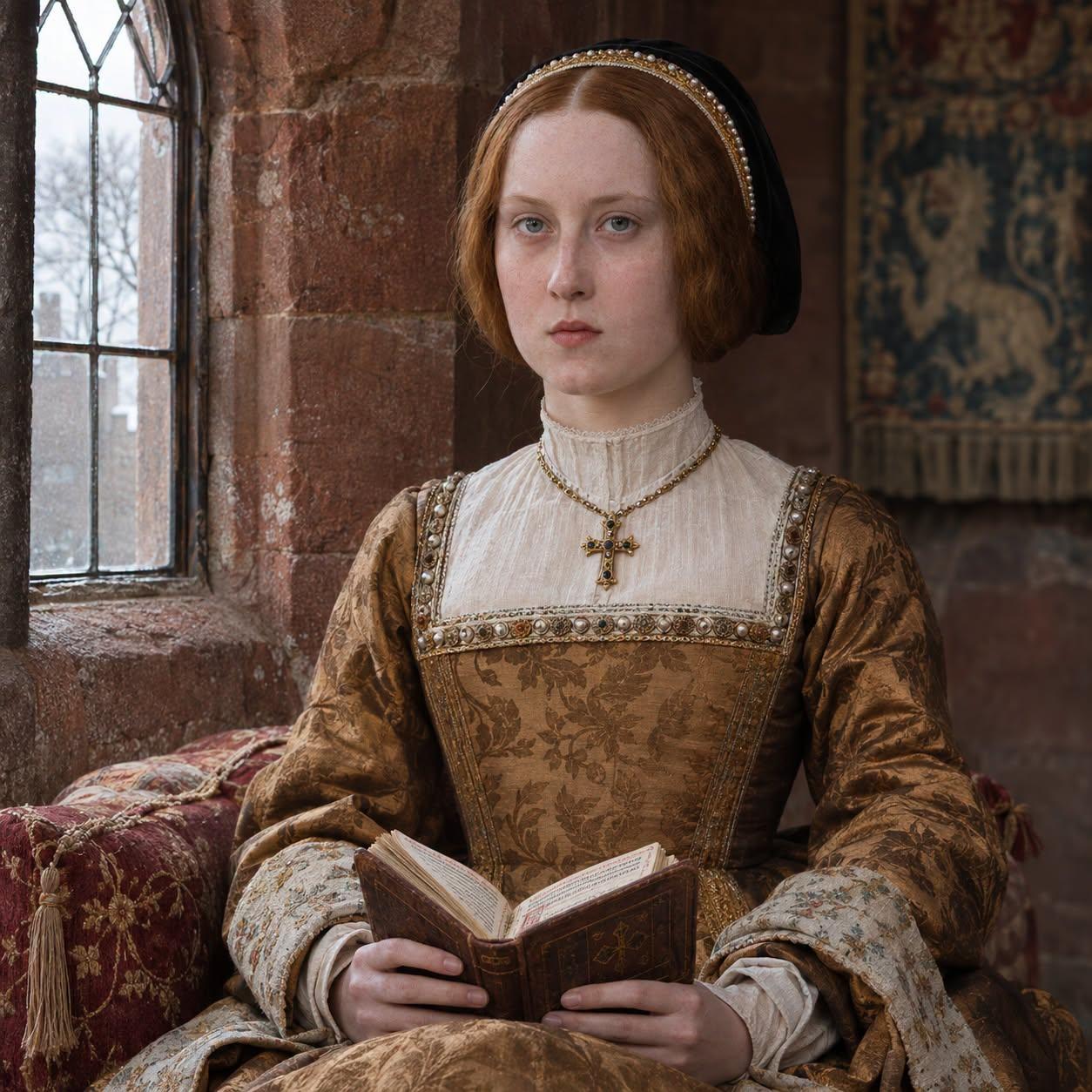
Six years before, Elizabeth had left England as a bride of sixteen. Frederick was the Elector Palatine, a German Protestant prince whose territories included Heidelberg, where they established their household. Their wedding at Whitehall had joined a British king's daughter to one of the leading Protestant families of the Holy Roman Empire.
Heidelberg had been home ever since. Three children had been born there. Now the eldest had come with them to a capital where the crown had become the subject of a rebellion, while the two youngest, both under two, stayed behind with Frederick's mother. The struggle they were entering was already under way.
Bohemia's Protestant leaders had broken with their Catholic Habsburg ruler, Ferdinand, and offered his crown to Frederick. Ferdinand had no intention of accepting his removal. By taking the throne, Frederick put himself in direct conflict with the man who was also Holy Roman Emperor. The coronations in Prague gave the new royal couple public recognition. They did not make the previous king disappear.
James opposed his son-in-law's acceptance. His daughter's marriage had been a Protestant alliance; it had not been permission to commit him to a war. Elizabeth nevertheless used the access she had. Before the coronation, she wrote to George Villiers, Marquess of Buckingham, her father's favourite, asking him to persuade James to help Frederick. Buckingham could reach James, and Elizabeth could reach Buckingham. The decision to accept had been Frederick's, taken without the urging so often laid at her door. Finding support for it was another matter, and that work she took on herself.
At St Vitus, Bohemian clergy in blue and violet accompanied the pregnant Elizabeth towards the high altar. Three days earlier she had watched Frederick crowned. Now she received the crown herself, in a separate ceremony that made her the crowned consort of the new king. She had been born into one royal family and had married into another ruling house. In Prague, those connections acquired a new title and a new set of enemies.
Rupert was born that December. His two brothers and his sister had all been born in Heidelberg; he alone was born in his parents' new kingdom. Frederick spent much of the reign away, collecting oaths of allegiance across his new lands, and for at least half of it Elizabeth was alone in Prague.
Through 1620, she kept asking her father for assistance. James sent soldiers and pursued diplomacy, but he would not give the unqualified backing she sought. Meanwhile, the danger reached beyond Bohemia. Spanish forces attacked the Palatinate, the family's hereditary lands in Germany. The home they had left for a crown was itself becoming unsafe.
By September, with Frederick gone to his forces, Elizabeth was alone in Prague again. She sent their eldest son, Frederick Henry, away for his safety. Her husband pleaded with her to leave as well. She refused to abandon her subjects. Already pregnant again, she remained in the city in which she had been crowned less than a year before.
She had sent her eldest son away. She would not yet leave herself.
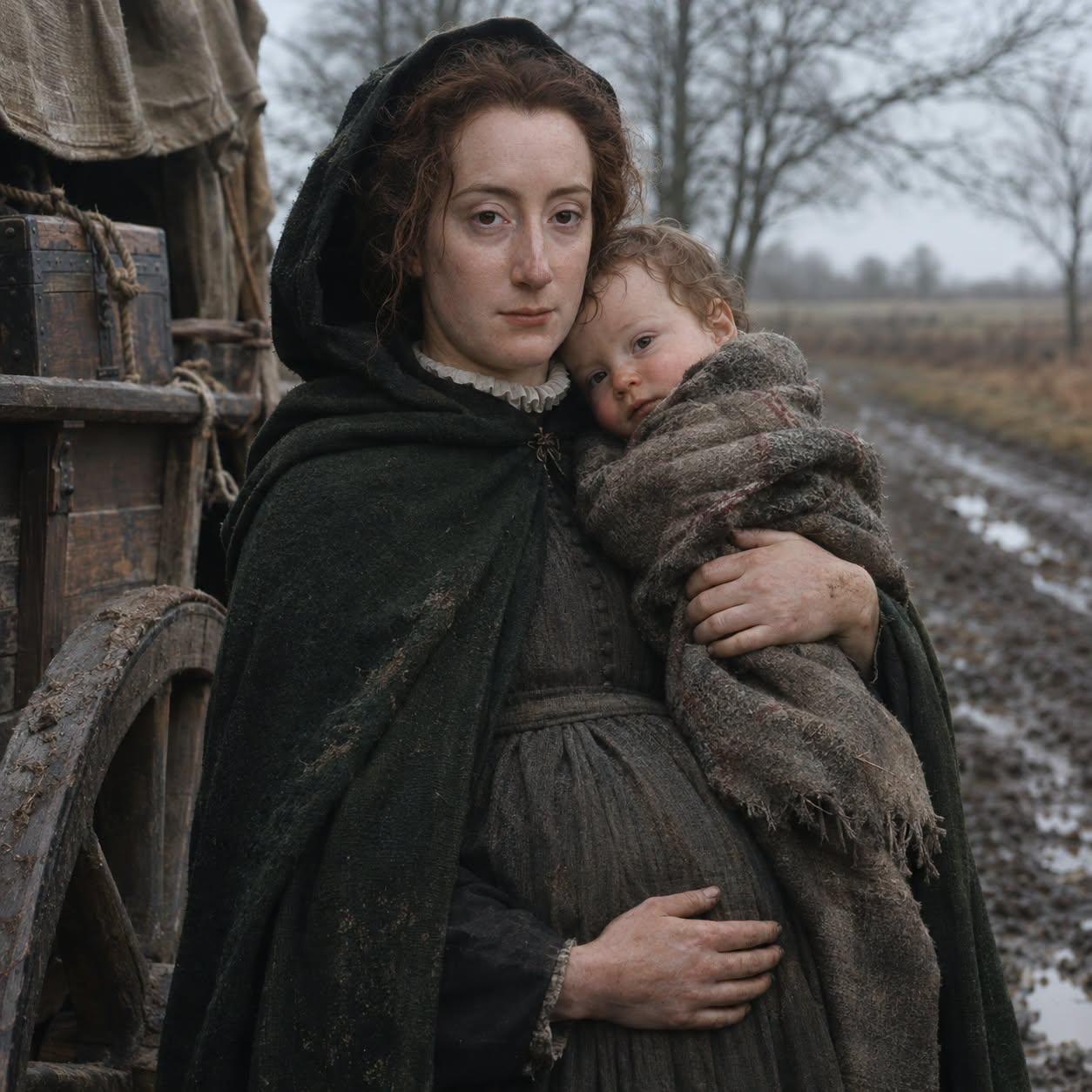
On 8 November 1620, Frederick's army was crushed at the Battle of White Mountain outside Prague. The city could no longer sustain their kingship, and even then it took two English ambassadors to drag Elizabeth out of it. She fled cradling Rupert in her arms, carrying the son who would be named Maurice. Rogue members of their own forces attacked the wagon train, and many of their possessions were left behind. She gave birth to Maurice on the run, at the castle of Küstrin.
There was no simple return to Heidelberg. The lands they had left for a crown now had to be won back as well. In 1621 they found refuge in the Dutch Republic and established a court at The Hague. Elizabeth continued to call herself Queen of Bohemia. Losing the country had not persuaded her to surrender its name.
The short reign left her with a sneer for a title, the Winter Queen. It had lasted approximately a year, long enough for the child she carried to her coronation to be born and for another pregnancy to begin. Rupert had been born in Prague as the son of its king and queen. His first birthday came after they had lost it.