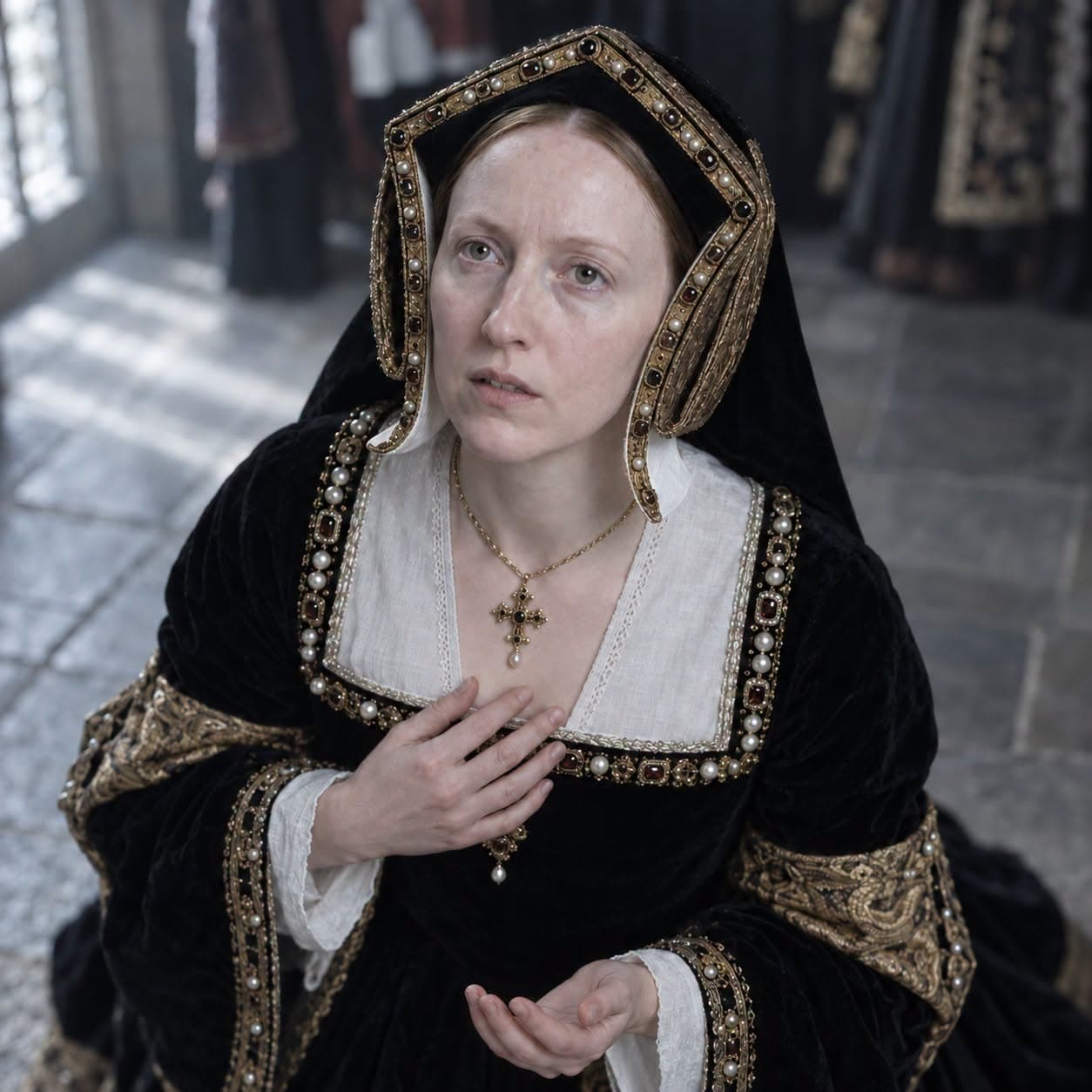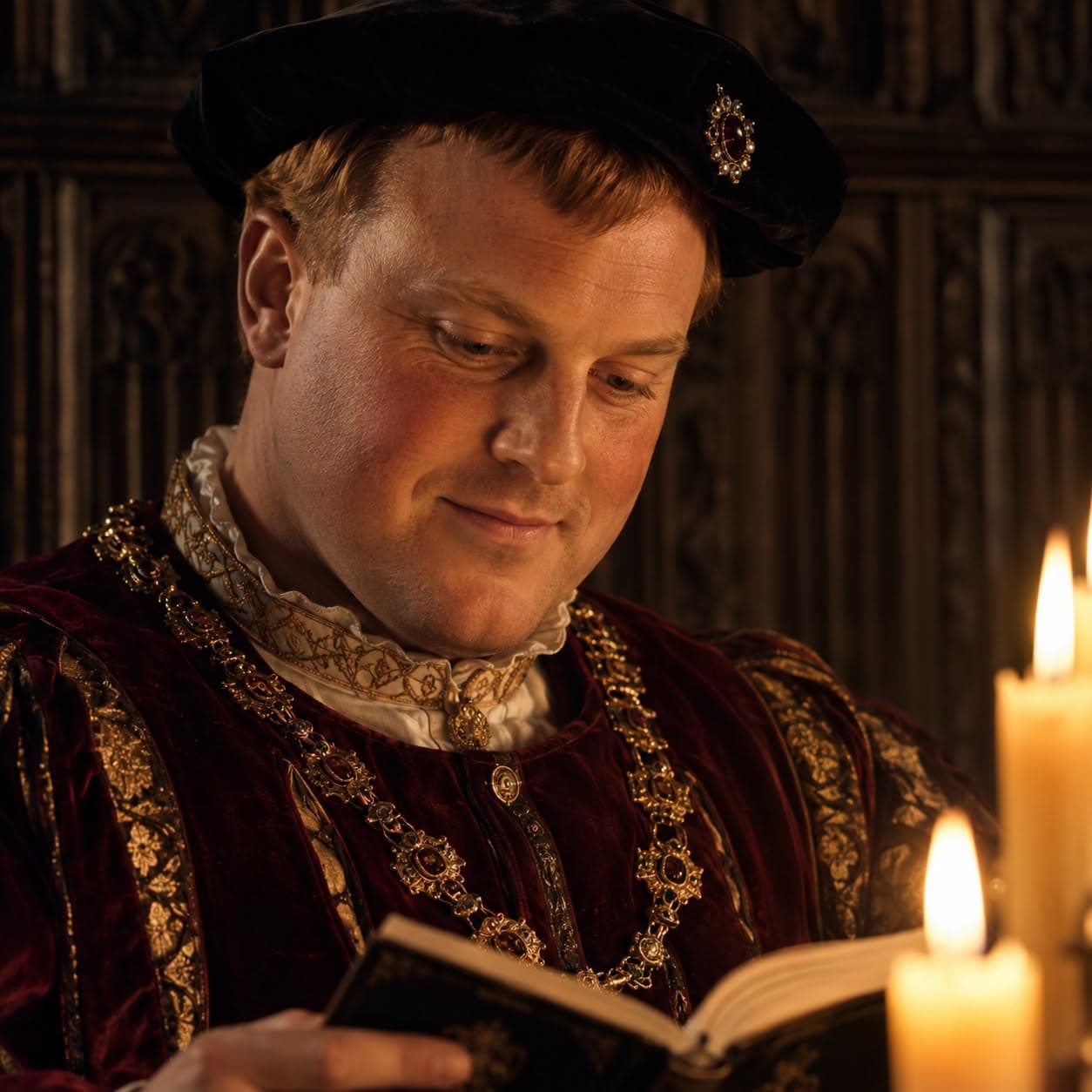
She married a king whose throne could never pass to her own sons. So she spent the next three decades making sure some throne would.
When Elisabeth Farnese arrived in Spain in 1714 to marry Philip V, his son from his first marriage already stood ahead of her own children in line for the crown. Spain, in the ordinary course of things, was never going to belong to any child she bore. The first sign of how precarious that left her came a decade later, when Philip briefly abdicated in 1724 in favour of that son, Louis I. Louis died of smallpox seven months into his reign, and Elisabeth, by at least one biographer's account, must have felt something close to relief. His death returned the crown to Philip rather than passing it to her other stepson, Ferdinand, and kept her own uncertain path to influence open a little longer.
That influence came from a vacuum, not a title. Philip suffered recurring collapses that contemporaries struggled to describe with any precision, weeks at a stretch spent in bed, at points reportedly lying in his own filth, unable to govern or be reasoned with. Elisabeth filled the space he left. Unofficially, without any formal claim to authority, she ran the government during these episodes, and the habit of ruling through her husband's absence became simply how Spain was governed for long stretches of his reign.
She used that authority for one consistent purpose: building thrones for sons who would never inherit Spain. Her clearest success came in Italy. Spain's attack on Naples during the War of the Polish Succession secured the throne of Naples and Sicily for her son Carlos, the campaign running from 1734 to 1736 before he was formally crowned, a war fought and won substantially so that one of her children would have a crown to sit in. The broader effort dragged Spain into the War of the Austrian Succession as she chased more territory for her other children. Ministers she elevated and directed, Alberoni, Ripperdá, Patiño, acted less as servants of Spanish foreign policy than as instruments of her own family's advancement.
Contemporaries had a name for what this made her. Courts across Europe described her as a woman who needed to be brought to reason, a queen whose ambition on behalf of her children unsettled the diplomatic order of half the continent. Since ordinary Spanish succession law excluded her sons from the throne in Madrid, she weaponized her own bloodline instead. She simply bent the wars of Europe around her hereditary claims to Italy, fighting until a Bourbon sat on an Italian throne.
When Philip died in 1746, the new king, her stepson Ferdinand VI, did not turn on her immediately. She moved to a rented mansion in Madrid with two of her remaining children, treated with apparent kindness by the regime that had finally succeeded to power ahead of her own line. That kindness lasted about a year. She spent it criticising the new government openly enough that Ferdinand's wife, Barbara of Portugal, ran out of patience with her, and Elisabeth was exiled to La Granja de San Ildefonso, the palace where she would spend the rest of her active life.
She did not stay sidelined for good. Ferdinand VI died childless on 10 August 1759, and Elisabeth served as interim regent while her son Carlos, the boy she had started a war to crown in Naples decades earlier, travelled back to Spain to take the throne she had never been able to win for him through inheritance alone. It arrived, in the end, exactly as she had spent her whole life arranging things: not by right, but by outlasting the men who stood in the way.
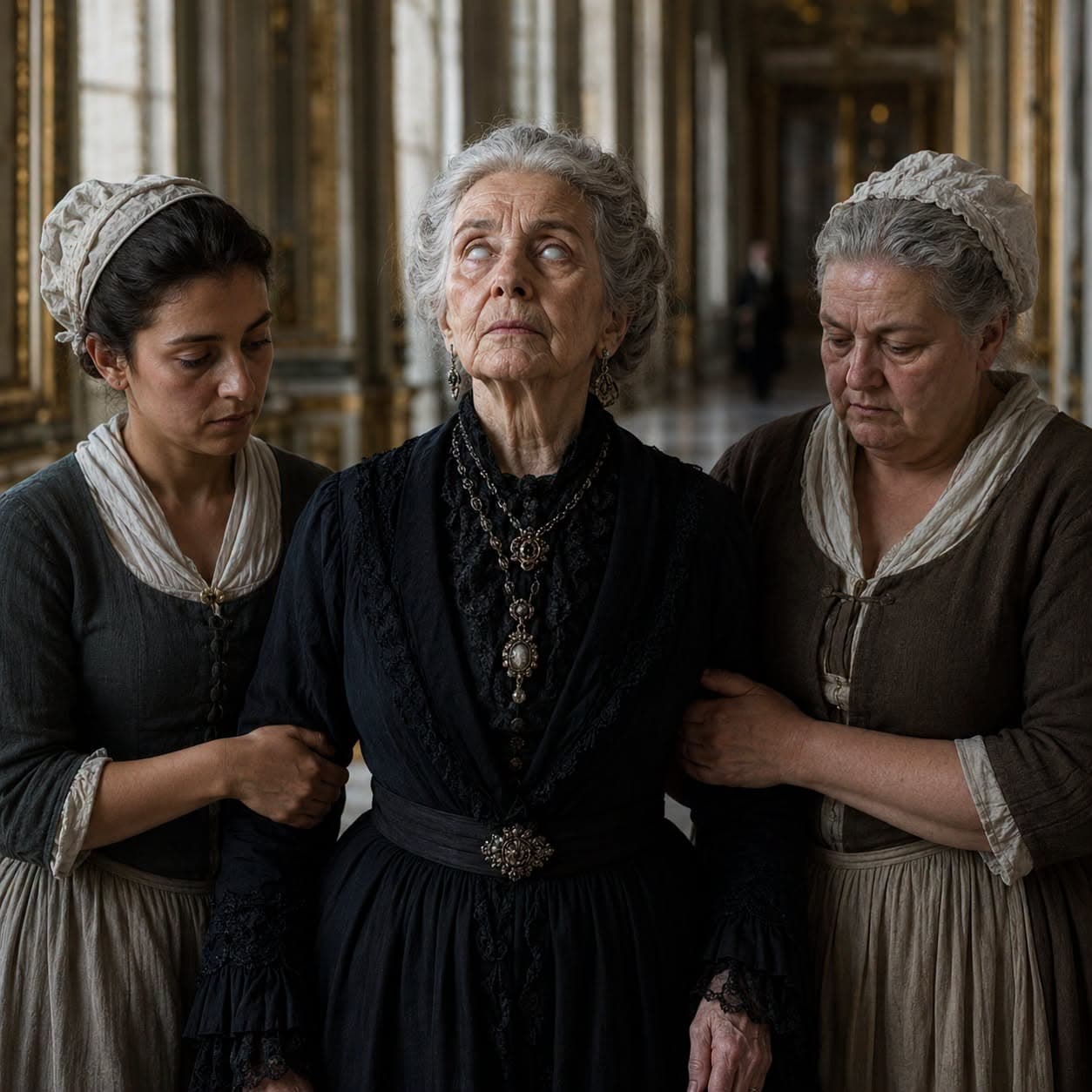
By her final years she was blind and lame, unable to stand for long without two retainers holding her upright. Even in that state, one contemporary observer expected her dying words to concern not herself but her son Luis, the one child she had never managed to place on any throne, anticipating she would ask them to remember Tuscany for Don Luis. She died at Aranjuez on 11 July 1766, at seventy-three, and was buried beside Philip at La Granja rather than in the royal mausoleum at El Escorial, by her own wish.
She had never been allowed to inherit anything. She had simply never stopped trying to take it anyway.