The official story said she had fallen down the stairs. The people who had heard her knew perfectly well she had been strangled.
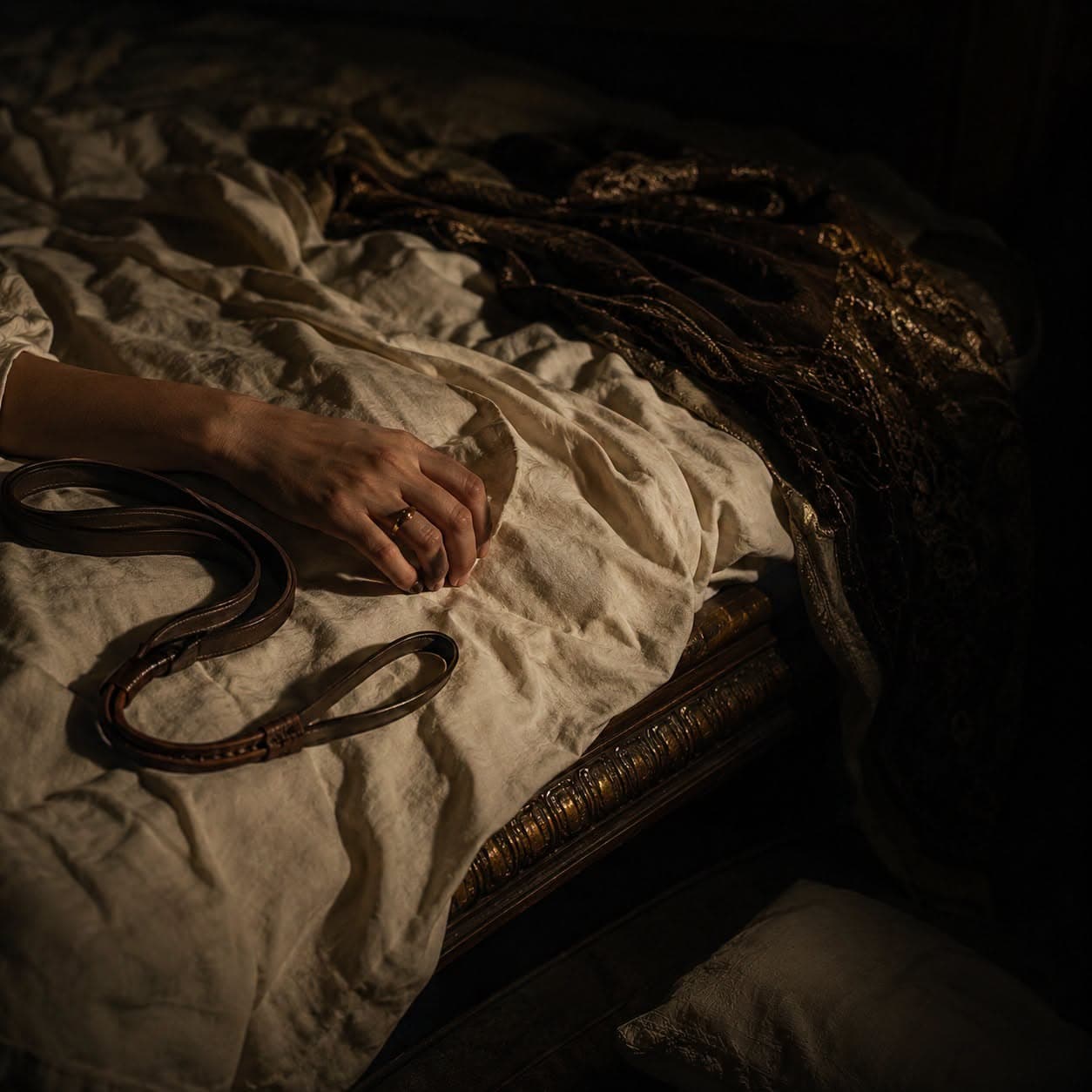
Eleonora di Garzia di Toledo had gone to bed near two in the morning, tired from the dancing, unaware that her husband was already on his way to her room. Pietro de' Medici came in with a leash meant for dogs and put it to her throat himself. She fought him, biting his fingers hard enough to leave marks that would later identify him, and her screams carried through the villa's halls loud enough that the household could not later claim ignorance. He needed help partway through, and men from Romagna were brought in when it seemed he might not manage alone.
By morning it was finished. By breakfast, there was nothing left in the villa except the story Pietro chose to tell.
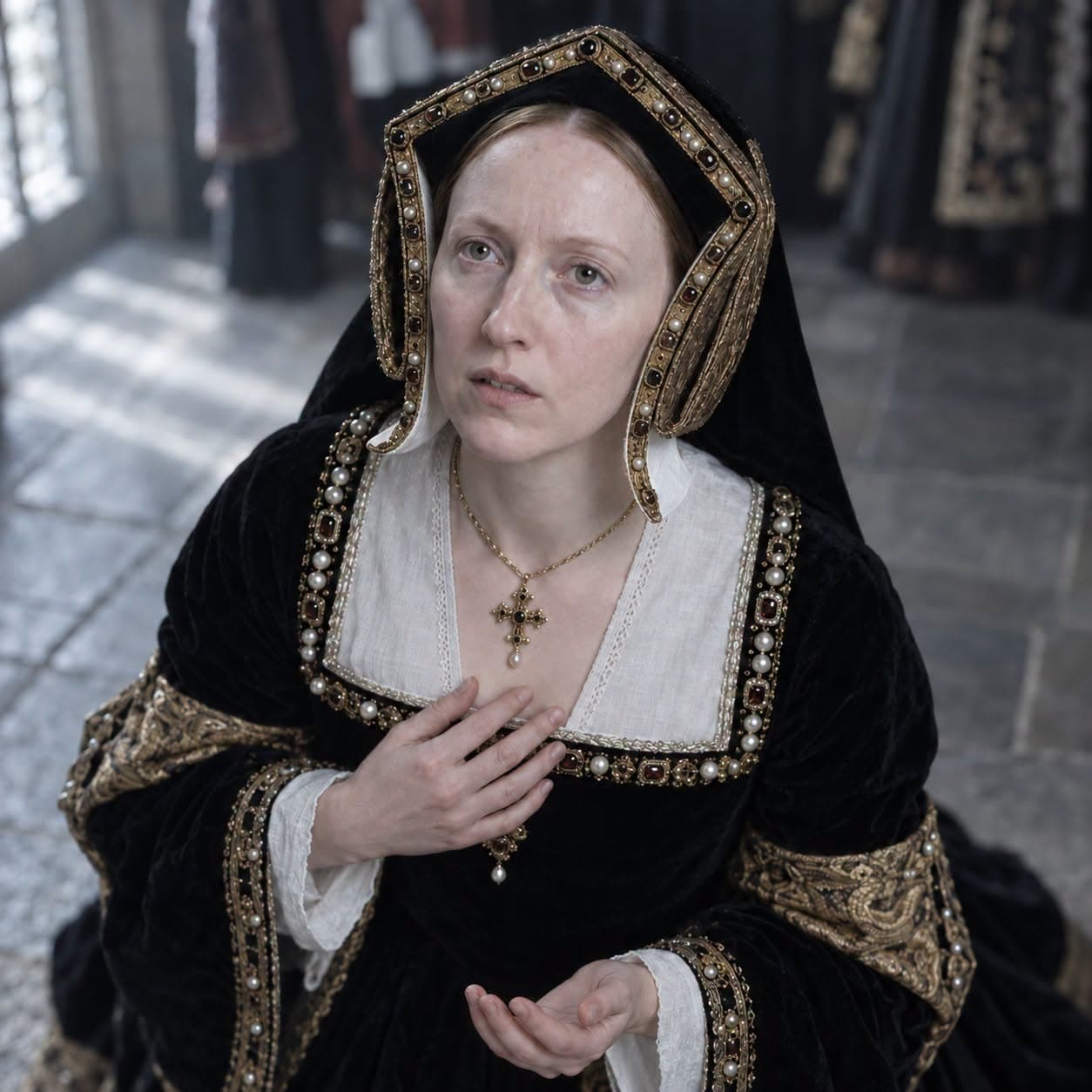
Eleonora had not chosen any of the life that led to that room. Born into the Spanish nobility and raised inside the Medici household as the niece of Cosimo I's own wife, she grew up surrounded by Florentine luxury without ever holding much say over her own future. In 1571, Cosimo arranged her marriage to his youngest son, Pietro, a cousin and foster brother she had known since childhood, binding the Toledo and Medici names tighter still.
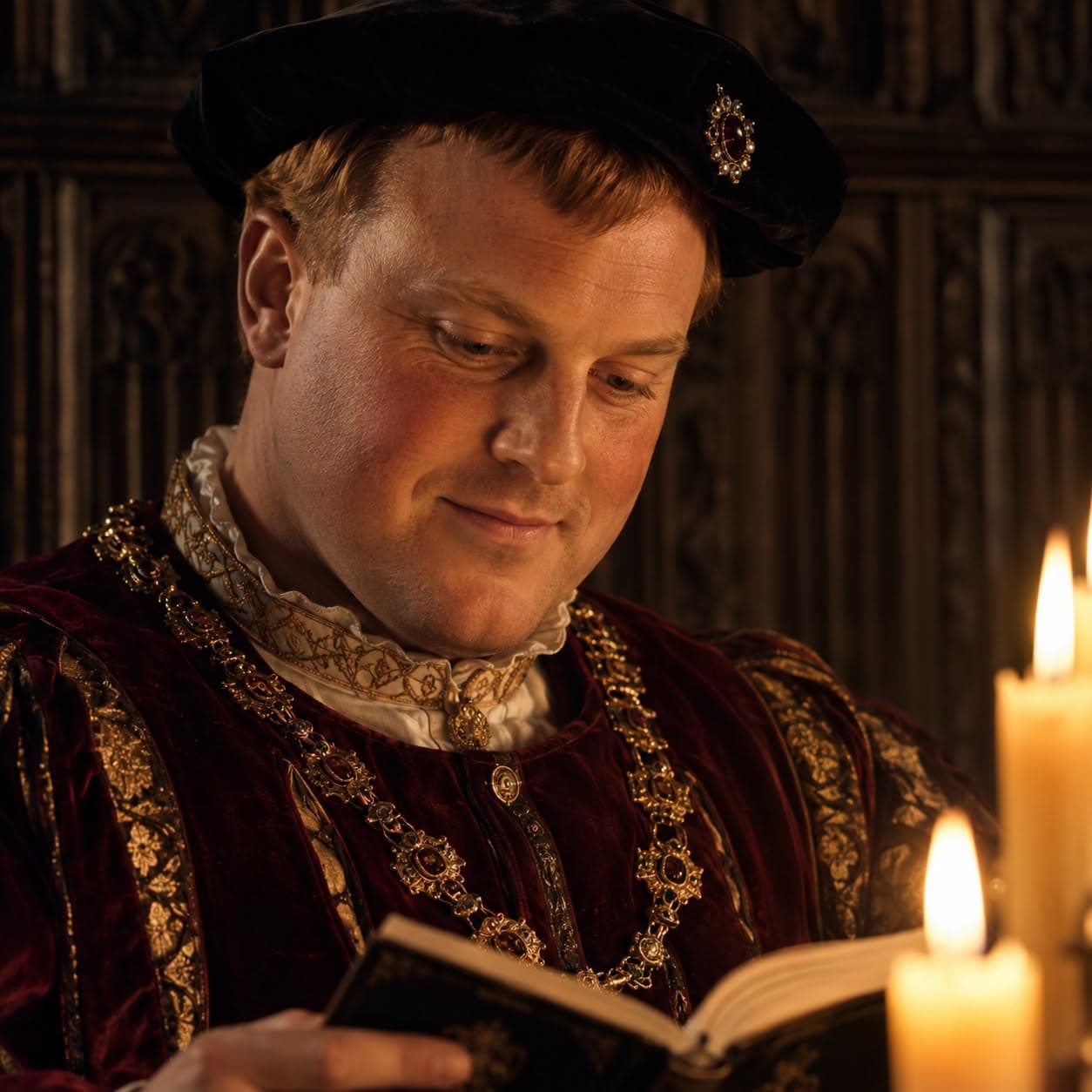
Pietro had a reputation already, for dissolute living and a temper that made him difficult to place at court. Eleonora, meanwhile, was rumoured to have taken lovers of her own, a freedom of movement that came without any freedom to choose differently in the first place.
Pietro's own letter to his brother Francesco, now grand duke, described the night in careful, softened language, an illness that had overtaken his wife and killed her before help could come. Francesco repeated that version outward, to the court and eventually to Spain, framing her death as sudden and natural. It sounded tidy enough to send across Europe.
Inside Florence, the story did not hold. The Ferrara ambassador wrote home to his own duke describing exactly what had happened, a dog leash at her throat, the struggle, Pietro's bitten fingers, men brought in to finish what he had started. Despite what everyone in the city already knew, Eleonora was buried with the full ceremony due a woman of the Medici family, laid in the family chapel at San Lorenzo with the honours the name required.
The family that had just had her killed stood over her coffin and performed grief in public.
Weeks later, writing privately to King Philip II of Spain, Francesco did not deny what Pietro had done. He wrote that Pietro had taken her life himself because of a betrayal she had committed, and that proceedings would be sent showing the just reasons behind it, along with love letters found hidden in her own footstool as evidence of the affair. It was not a confession offered in shame. It was a justification offered to a king whose niece had just been murdered, dressed carefully enough to sound like restraint rather than crime.
Eleonora had given Pietro a son in 1573, Cosimo, the only male Medici heir of that generation. One month after his mother's death, in August 1576, the child died too, three years old, amid quiet talk that Pietro had doubted the boy was his. Mother and son were gone within weeks of each other, one strangled in her own bed, the other dead before anyone outside the family could ask why.
Eleonora's brother, back in Spain, demanded that Pietro answer for what he had done. The Medici response was to send Pietro away to the Spanish court, where he was received without difficulty and lived on for decades. No trial followed. No formal punishment touched him beyond distance from Florence.
The family never truly denied that Pietro had killed her. They simply decided that the Medici name was worth more than the price of justice.