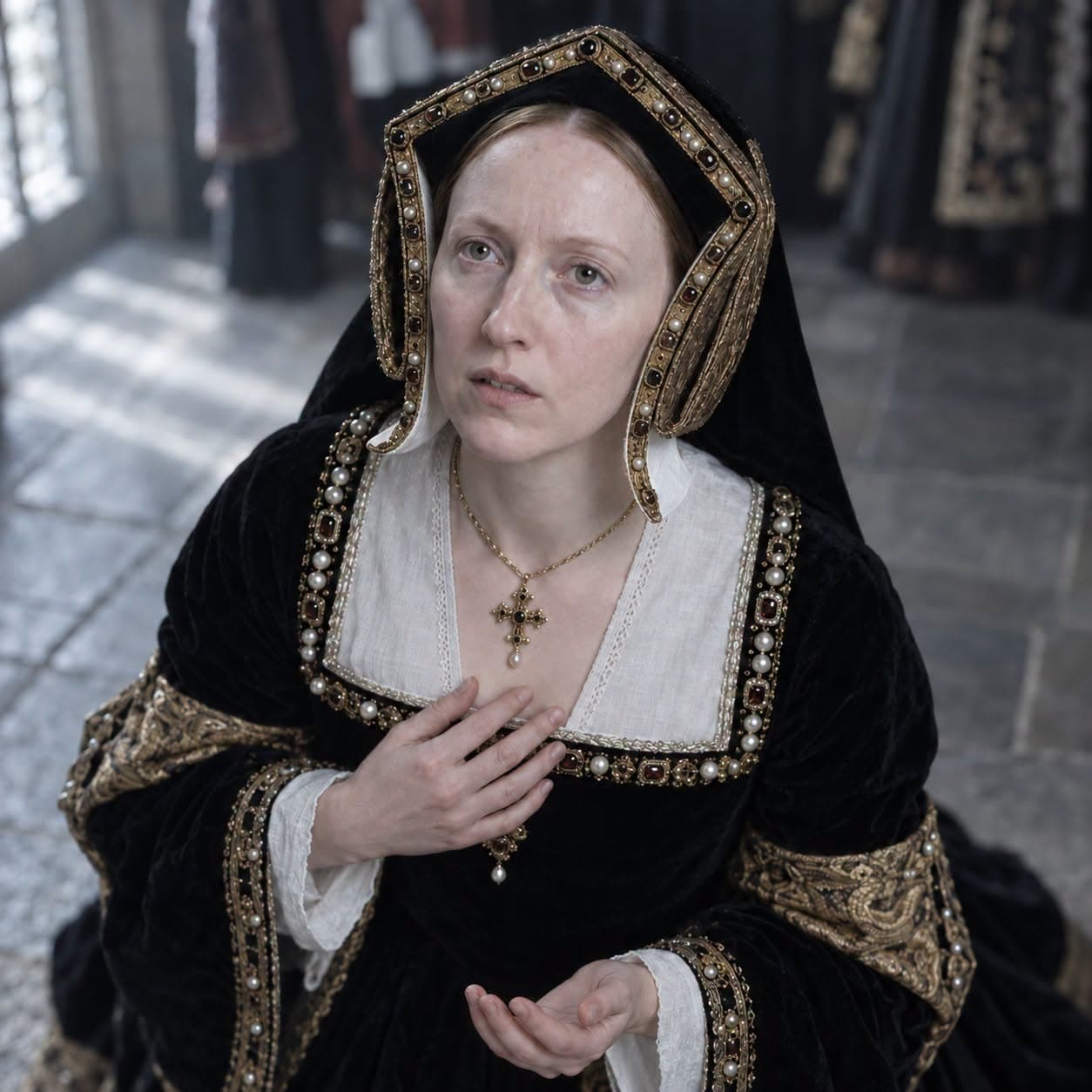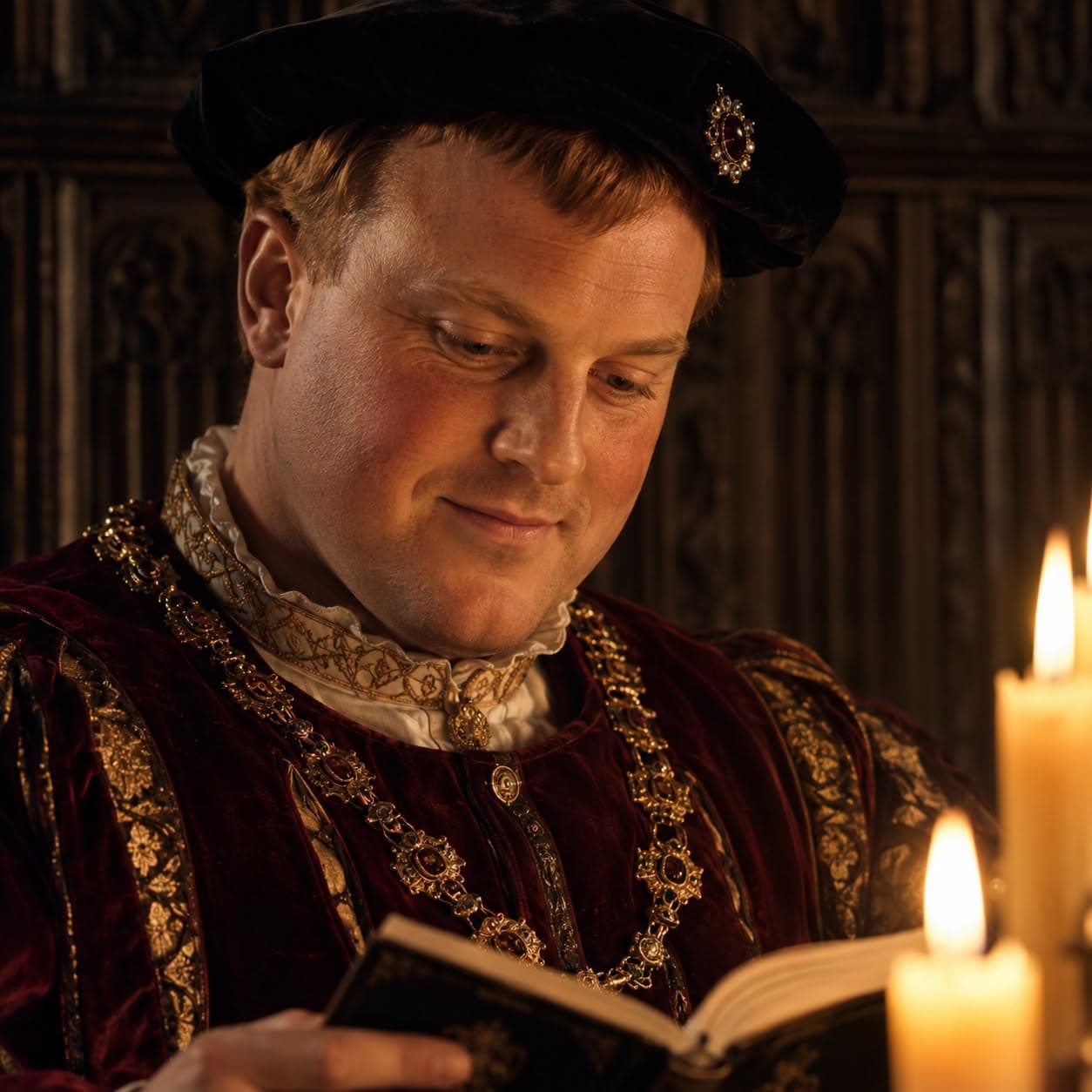

On this day the 10th of May 1533, Archbishop Thomas Cranmer opened a court at Dunstable Priory in Bedfordshire to determine whether the marriage between Henry VIII and Catherine of Aragon was valid. Catherine was not there. She had refused to attend, refused to recognise the court's jurisdiction, and refused to accept that a man personally appointed by the husband trying to be rid of her was an appropriate person to decide whether that husband was entitled to be rid of her.
She was correct on all three points. Cranmer ruled against her anyway. This is how English ecclesiastical law worked in 1533, which is to say it worked however Henry VIII needed it to work on any given Thursday.
The proceedings lasted five days. On the 23rd of May Cranmer finally declared the marriage void. On the 28th of May he declared Henry's secret marriage to Anne Boleyn, conducted quietly in January, valid. Catherine was stripped of her title as queen and redesignated Princess Dowager, the title given to the widow of a Prince of Wales, which is what Henry had now decided she had always been, retroactively, by legal instrument, regardless of the previous twenty-four years.
She refused to use the title for the rest of her life. Henry sent ambassadors to persuade her. She sent them back. He tried again. She declined again. This continued until she died.
She was forty-seven years old. She had been Queen of England for twenty-four years. She had been preparing to be Queen of England for thirty years, from the moment she was three years old in the Alcázar of Segovia being fitted for a destiny that a court at Dunstable Priory was now dismantling one procedural session at a time. The pomegranates she had embroidered on her household linens for thirty years, the personal emblem she had carried from Spain to England as a child, were not going to be unembroidered because Thomas Cranmer had opened a court in Bedfordshire.
She did not attend. She did not consent. She did not yield. Cranmer ruled without her, Henry married Anne, and Catherine went on being Catherine of Aragon with the specific immovable quality of someone who has decided that the correct response to being told who you are not is to continue being exactly who you are, in the houses they confined her to, in the letters she was not supposed to be sending, until she died at Kimbolton Castle in January 1536 still signing herself Queen of England.
It took Cranmer five days to undo what took thirty years to build. It took Catherine of Aragon the remaining three years of her life to make clear what she thought of the arithmetic.