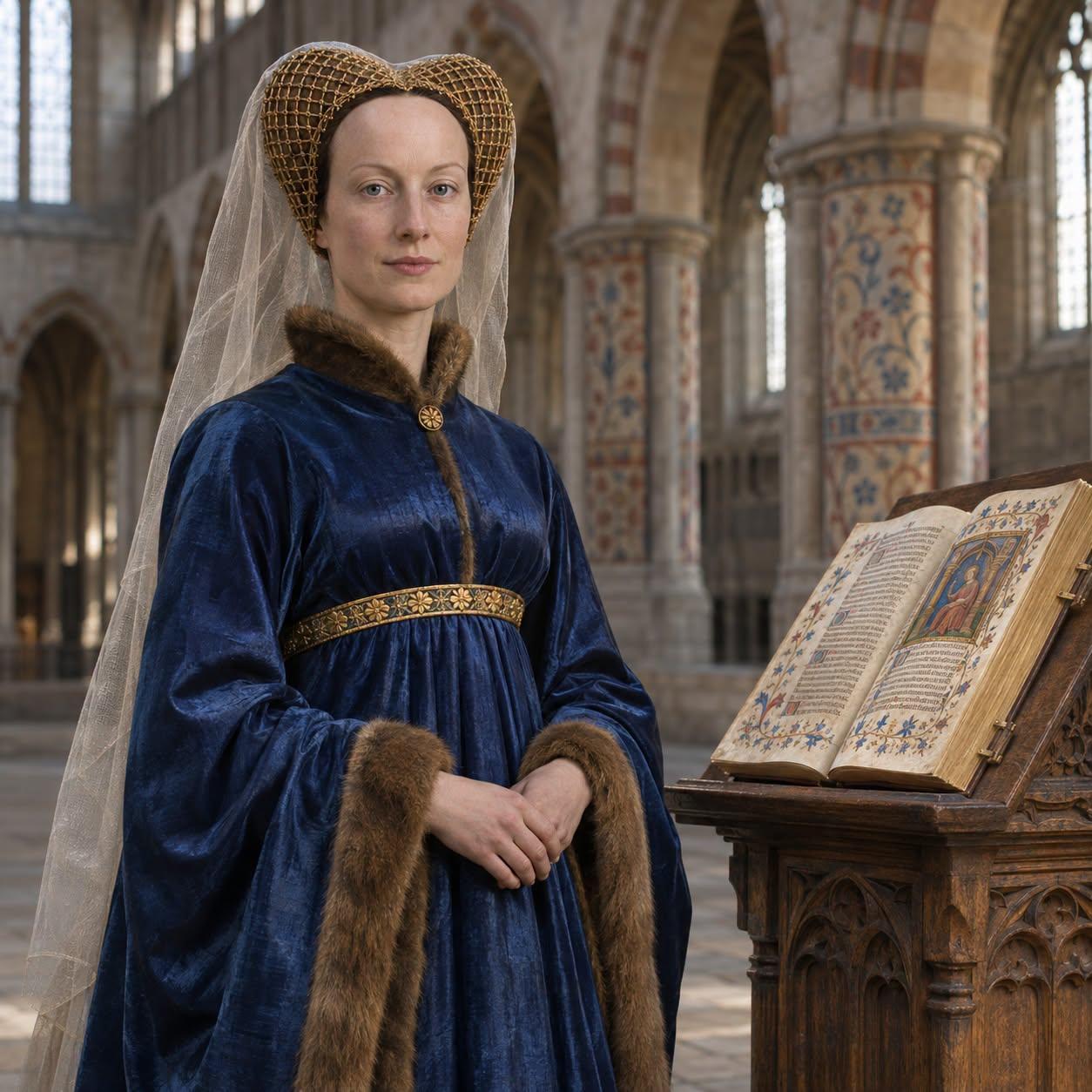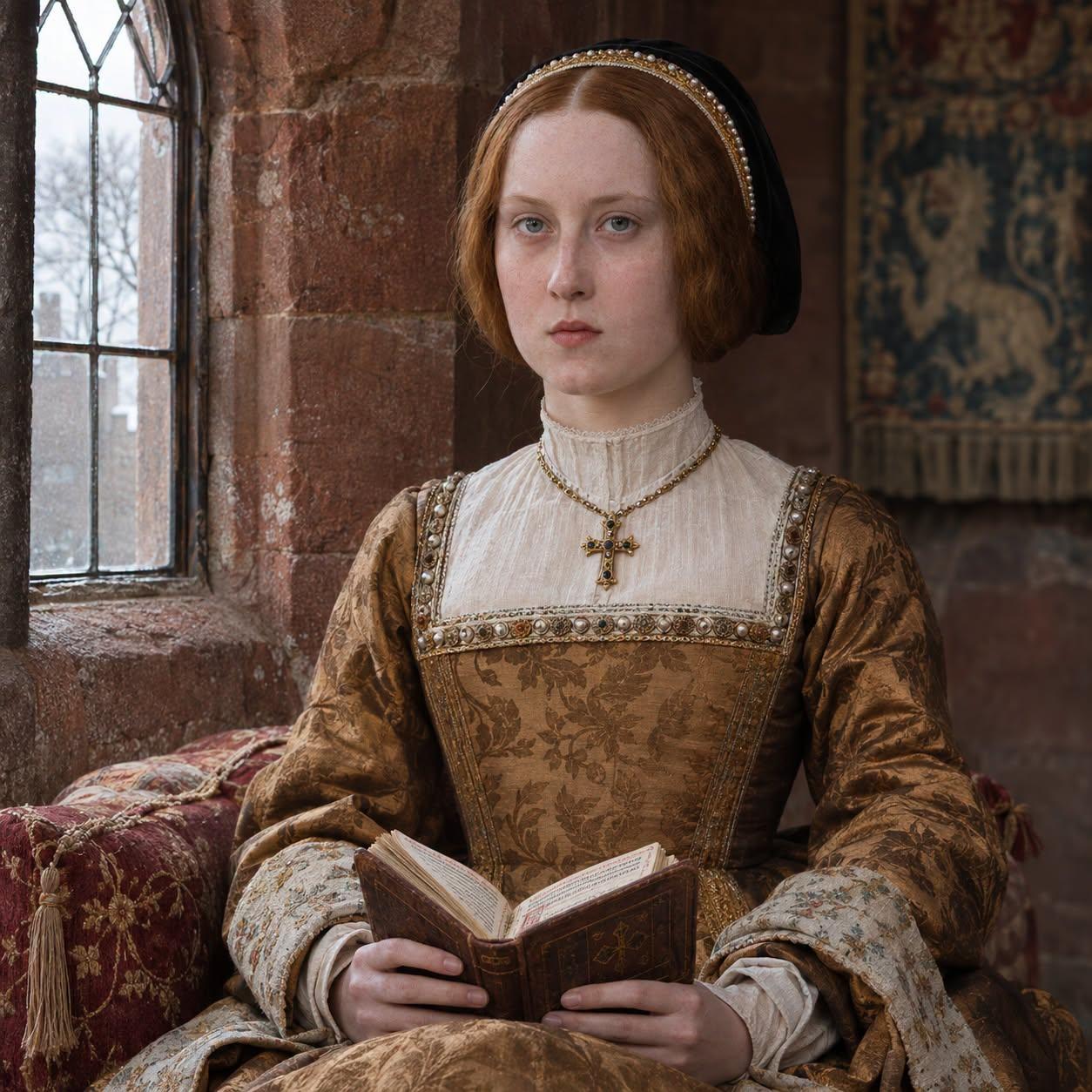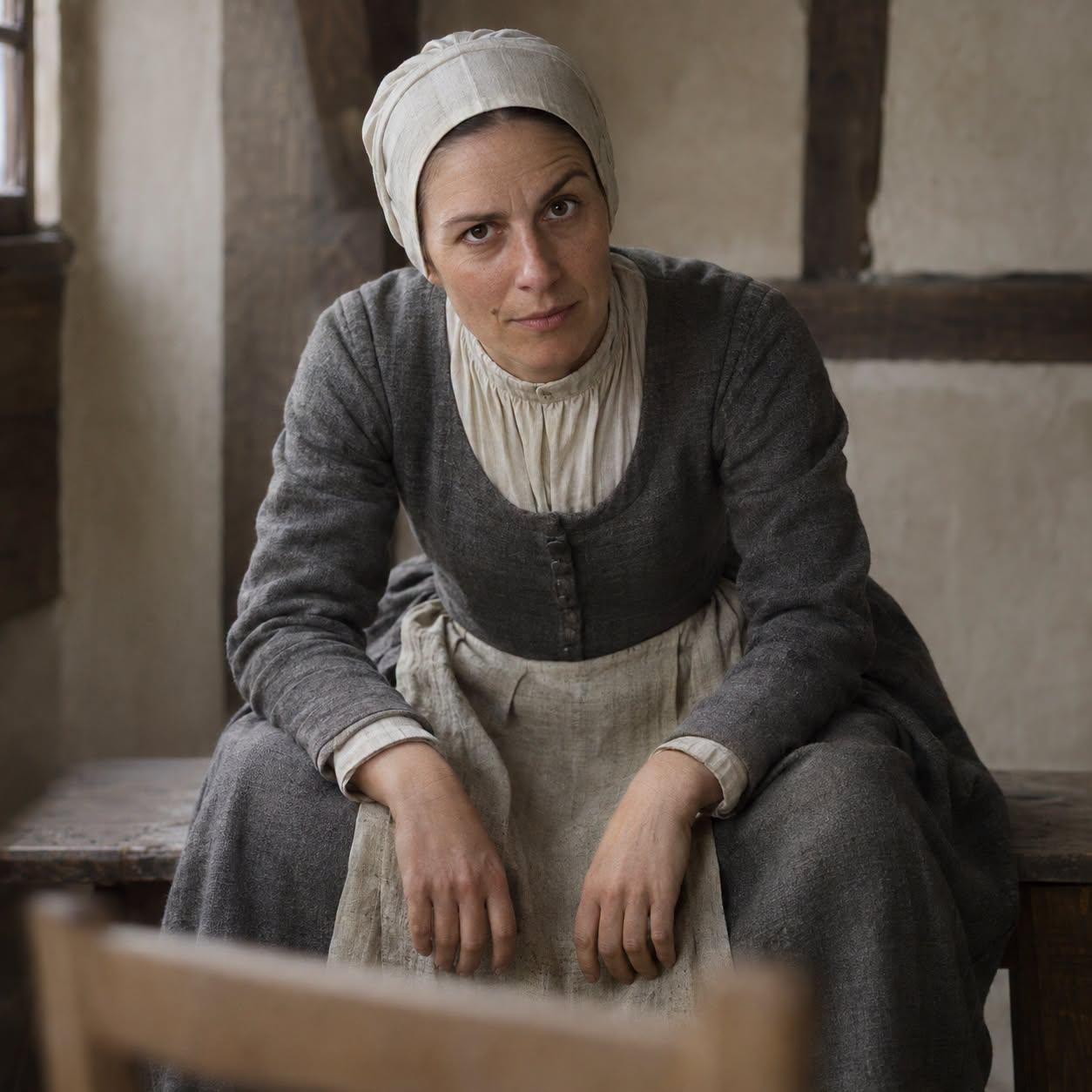
She died still accusing a mother and daughter of witchcraft. Her execution ended her own case. It left two other women fighting theirs.
On 5 November 1626, Catherine, the wife of Claudon Vidolot of Parey-sous-Montfort in Lorraine, was executed for witchcraft. The proceedings against Jennon Bouvier and her daughter Margueritte record that Catherine had confessed and named them as accomplices. When confronted with the women she accused, she maintained her allegations. She maintained them at her execution too.
Catherine’s own trial papers have not survived. Her death is recorded in the cases against the women she named.
Lorraine was a small duchy on the borders of France and the Holy Roman Empire, in the midst of decades of witchcraft persecution. Suspicion could develop through years of living among the same neighbours, remembering quarrels and looking for explanations when someone fell ill. A person believed capable of causing an illness might also be asked to cure it. Help and suspicion could occupy the same doorway.
Jennon was a widow of about sixty. Margueritte, also called Margo, was about thirty, married to Jean Georges, and a mother herself. She had borne two sons and two daughters; one son had died.
Both women had been questioned on 3 November, two days before Catherine’s death. Jennon said Catherine had accused her out of malice after a quarrel during that year’s pear harvest. That was Jennon’s explanation, and she denied the charges.
Margo had old suspicions to answer too. A witness alleged that, fourteen or fifteen years earlier, he had found her and her sister in a field during a storm, yet neither had been wet.
Margo gave an ordinary explanation. They had been gathering a yellow-flowered herb used as a remedy for children, and it had not been raining at the time. An encounter in a field had become evidence against her more than a decade later.
Catherine’s execution did not remove the danger. On 14 November, judicial torture was authorised for both mother and daughter. On 27 November, both were tortured. Both continued to deny the charges.
Margo added one detail to her account of the herb: it had been gathered for another woman to give to her child. Even under torture, her explanation remained a remedy for a child.
The following day brought a decision in her case. Catherine had died maintaining her accusations; Margo had maintained her denials. On 28 November, the prosecutor approved Margo’s release.
For a time, mother and daughter were free. They had endured accusations of witchcraft, imprisonment and torture without confessing. Yet in Lorraine, surviving one prosecution offered no guarantee of safety from another.
In February 1629, more than two years after Catherine’s execution, Jennon and Margo were accused of witchcraft again. This time, the accusations came from three other women of their own village, who were themselves caught up in the persecution and would also be executed.
The earlier ordeal had not ended the suspicions surrounding them. Both women were once again drawn into the machinery of prosecution.
On 13 April 1629, Jennon Bouvier and her daughter Margueritte were executed at Remoncourt. Jennon would have been approximately sixty-three years old. Margo was about thirty-three. She was a wife and a mother who had already lost one of her four children. The mother and daughter who had survived their first witchcraft prosecution were put to death together.