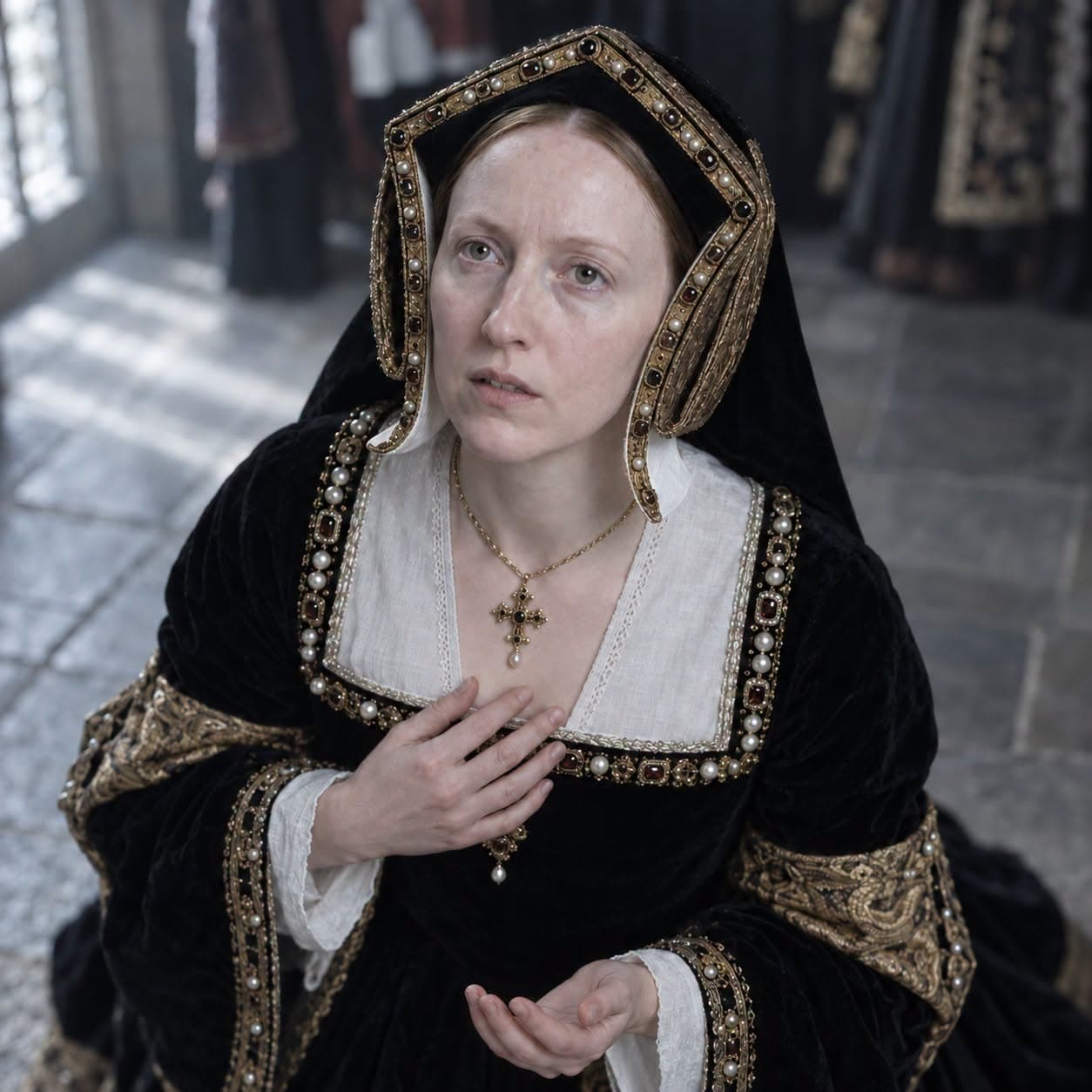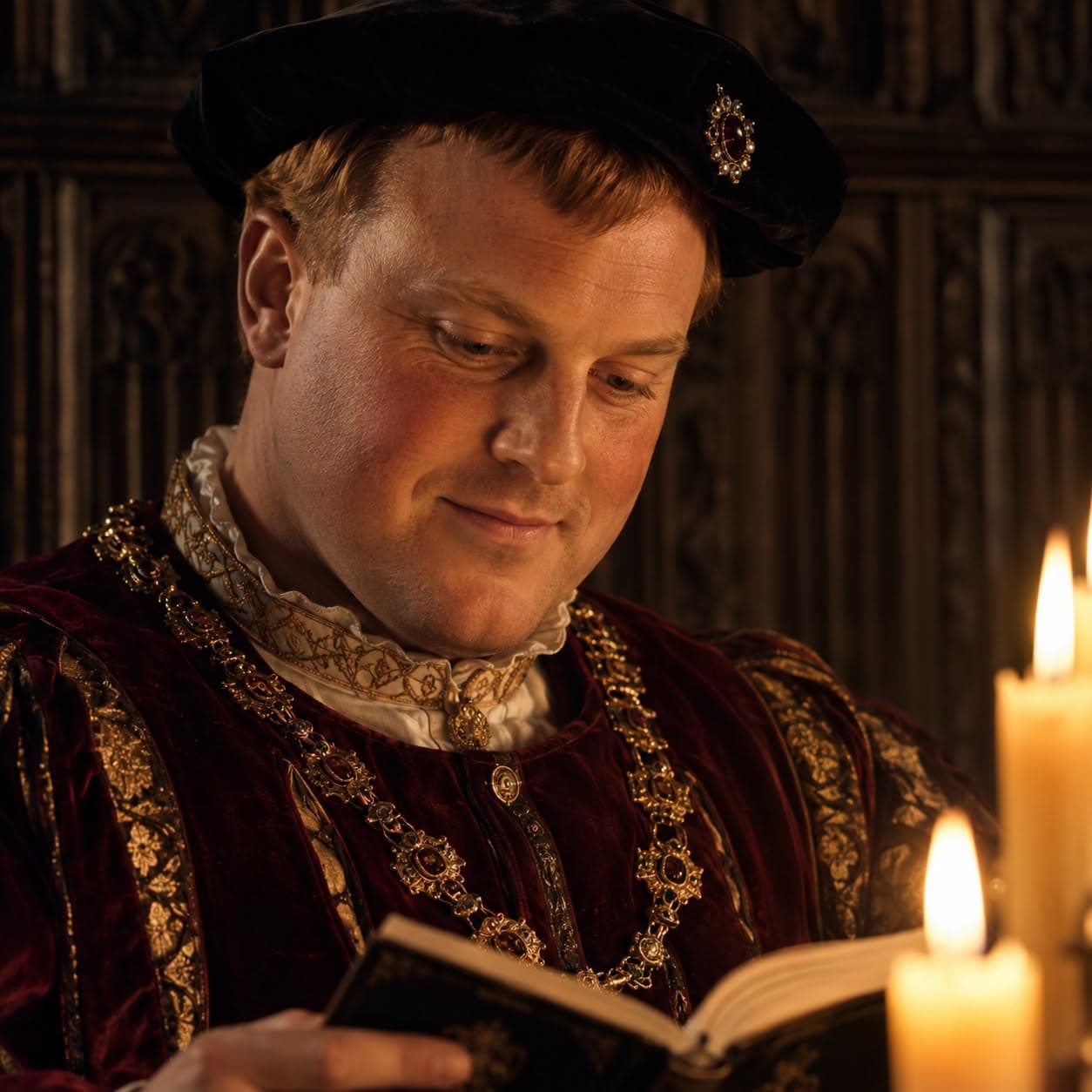
She arrived in England to find her husband's mistress waiting to be installed in her bedchamber. She would bring Bombay and Tangier and two million Portuguese crowns as her dowry. The treaty that decided her life was signed in London on the twenty-third of June 1661. She was in Lisbon at the time. Nobody had asked her.
Catherine of Braganza was twenty-three years old when the Earl of Sandwich arrived in Lisbon to collect her and her dowry on behalf of Charles II. The treaty had promised England Tangier in North Africa, the Seven Islands of Bombay, trading rights in Brazil and the Portuguese East Indies, and two million crowns in cash.
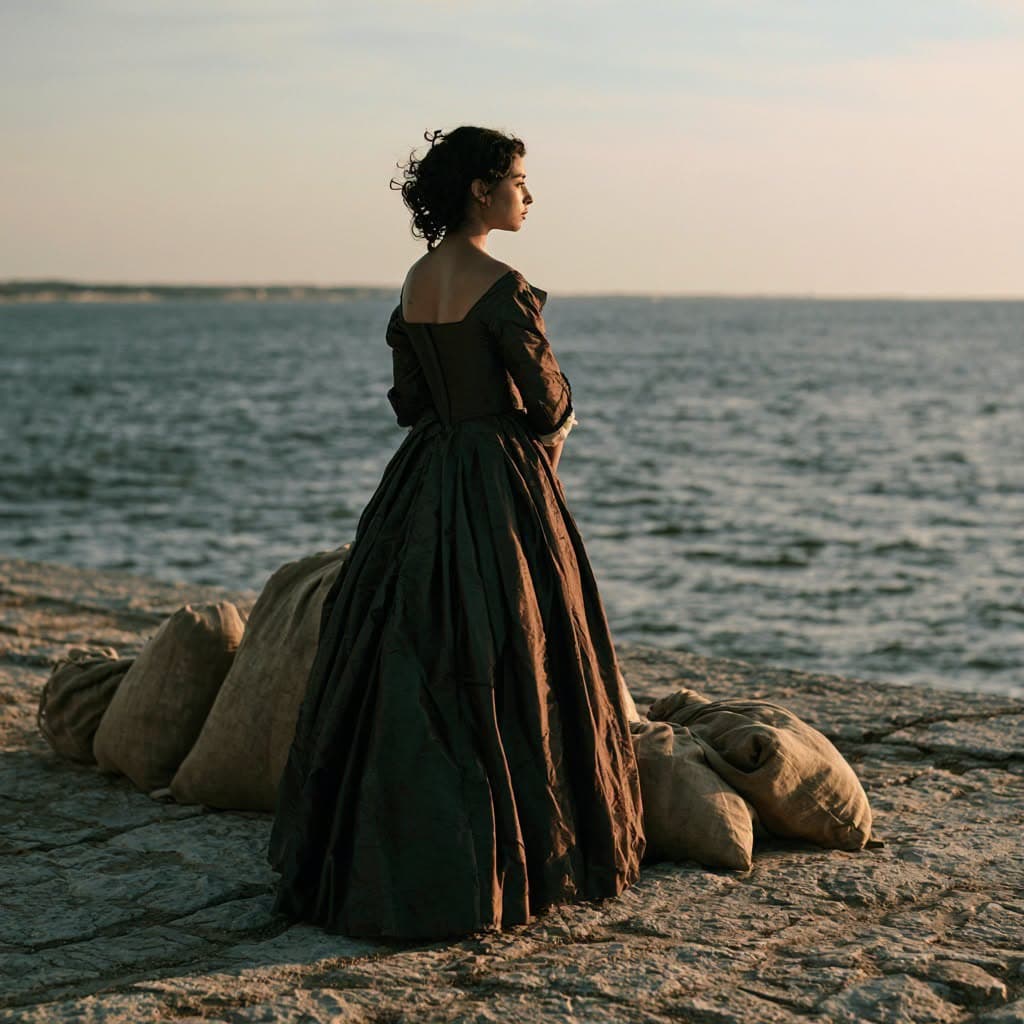
When Sandwich arrived at the quay he found sacks. The sacks contained sugar and spices. Portugal could not raise the full cash sum. Catherine left Lisbon for England having already failed to deliver everything the document signed in her name had promised, through no action or fault of her own.
Catherine arrived at Portsmouth on 14 May 1662. Charles did not come for six days. Samuel Pepys, who recorded the court's movements with his customary precision, noted that in those six days the king spent every night at the house of Barbara Palmer (his principal mistress), who was pregnant with his child. When Charles did arrive and meet his wife for the first time, he wrote to Lord Clarendon that her face was not so exact as to be called a beauty, though her eyes were excellent good, and not anything in her face that in the least could shock one, and that if he was skilled in physiognomy she must be as good a woman as ever was born.
He married her on 21 May. Within weeks of their arrival at Hampton Court he presented Barbara Palmer and informed Catherine she was to be appointed one of her Ladies of the Bedchamber, the women who served the queen in her private apartments and attended her daily. Charles was asking his wife to employ his mistress in her most intimate domestic space. Catherine refused. She wept and bled from the nose. Charles insisted. She eventually complied.
She suffered multiple miscarriages and a stillbirth. She never had a living child. Charles acknowledged at least twelve illegitimate children by various mistresses during the same years. The arithmetic was not private. The court watched it and drew its own conclusions about the succession.
What England received from Catherine that nobody counted in the treaty was something else entirely. She brought the habit of drinking tea, which she had grown up with in Portugal, and introduced the use of forks at table. She popularised marmalade. The tangerine takes its name from Tangier, which came to England in her dowry. The empire that Bombay eventually became began as a line item on a marriage contract drawn up while she was still in Lisbon.
In 1678 Titus Oates accused her of conspiring to poison the king during the Popish Plot hysteria. Charles refused to believe it and defended her publicly. Charles died in 1685. Catherine returned to Portugal. Her brother King Pedro II appointed her regent, and she governed Portugal with the specific competence of a woman who had spent twenty-three years watching how power operated at close range and had learned everything it had to teach.
She died in 1705, twenty years after her husband. The treaty signed in London while she waited in Lisbon had packaged her as a diplomatic instrument.
She outlived every man who had signed it.