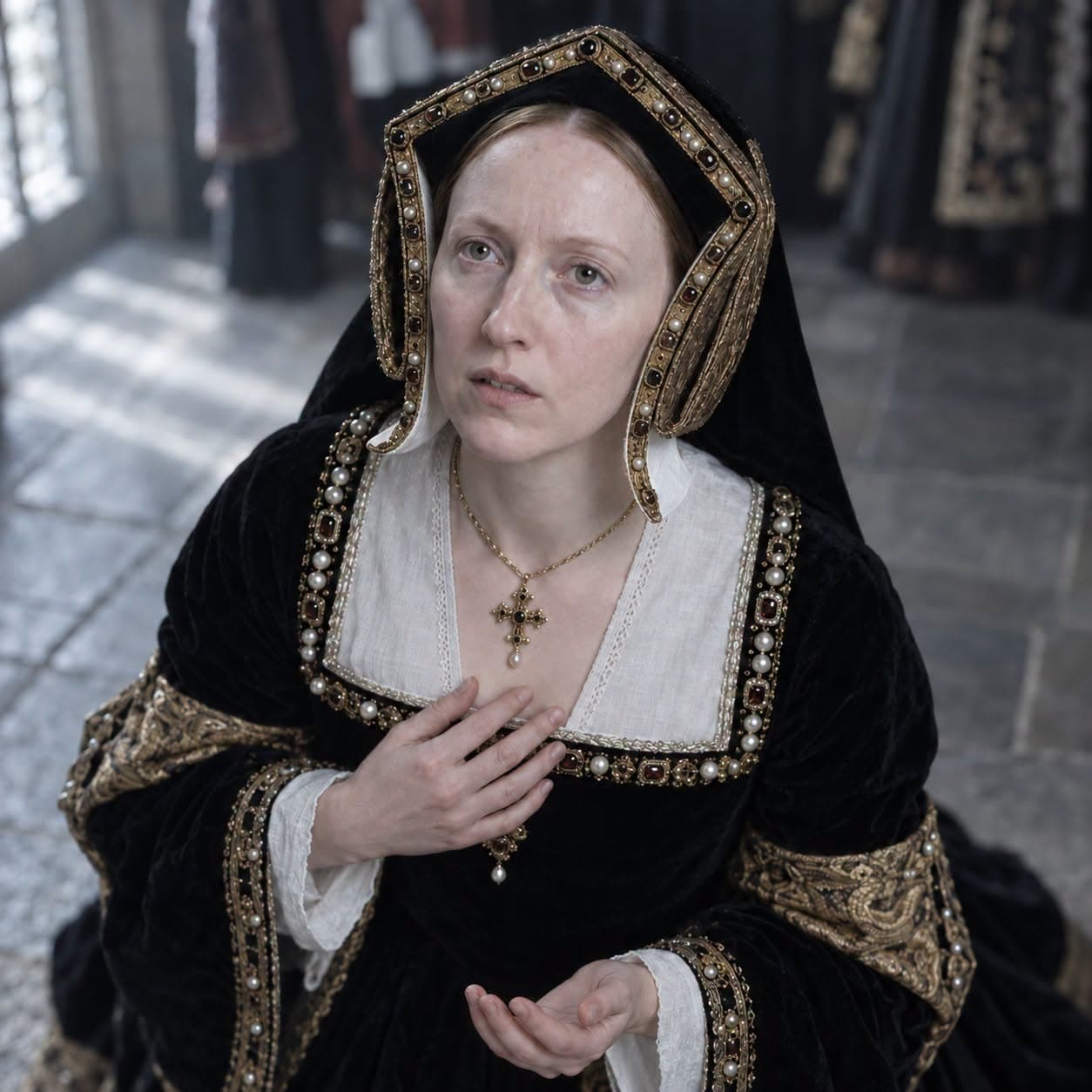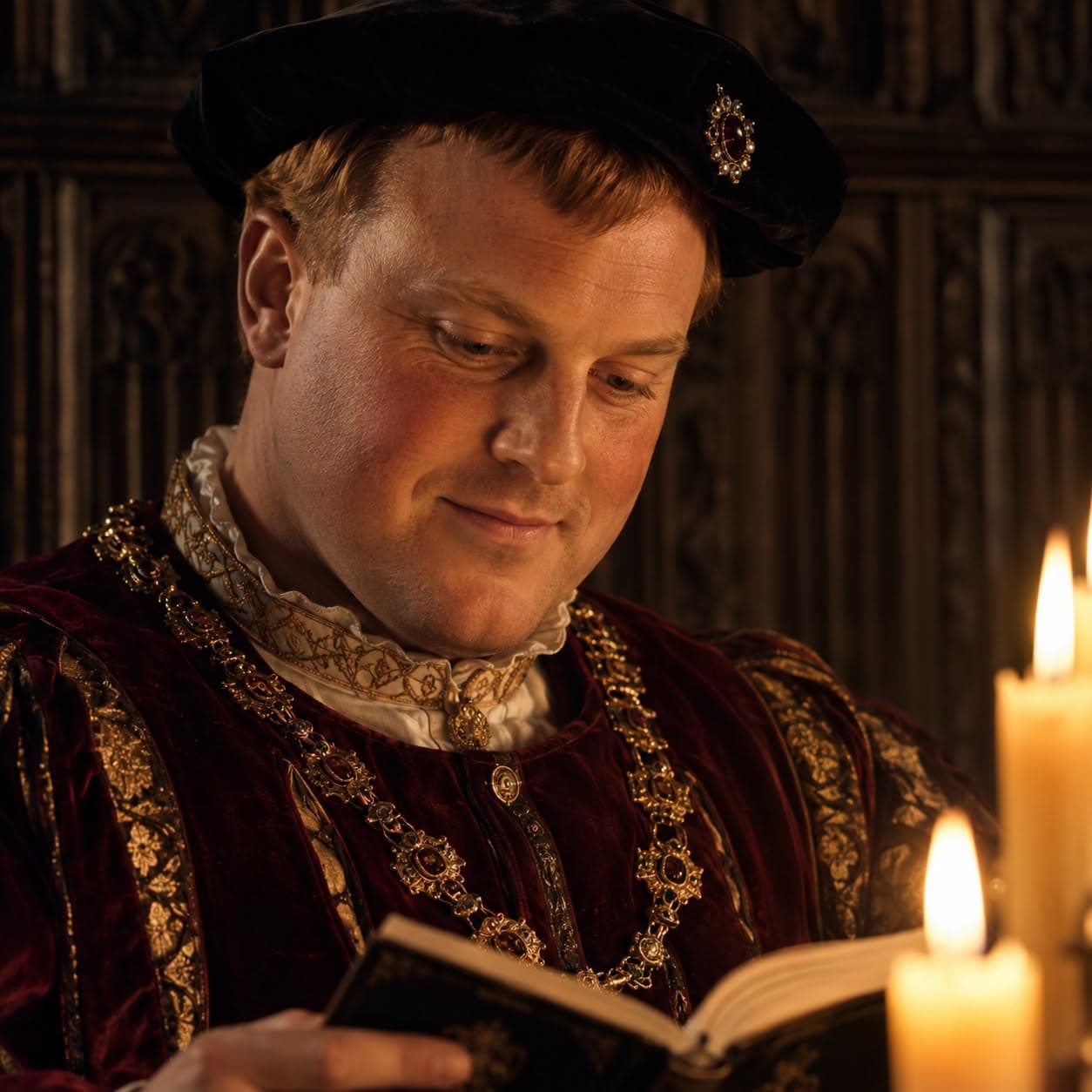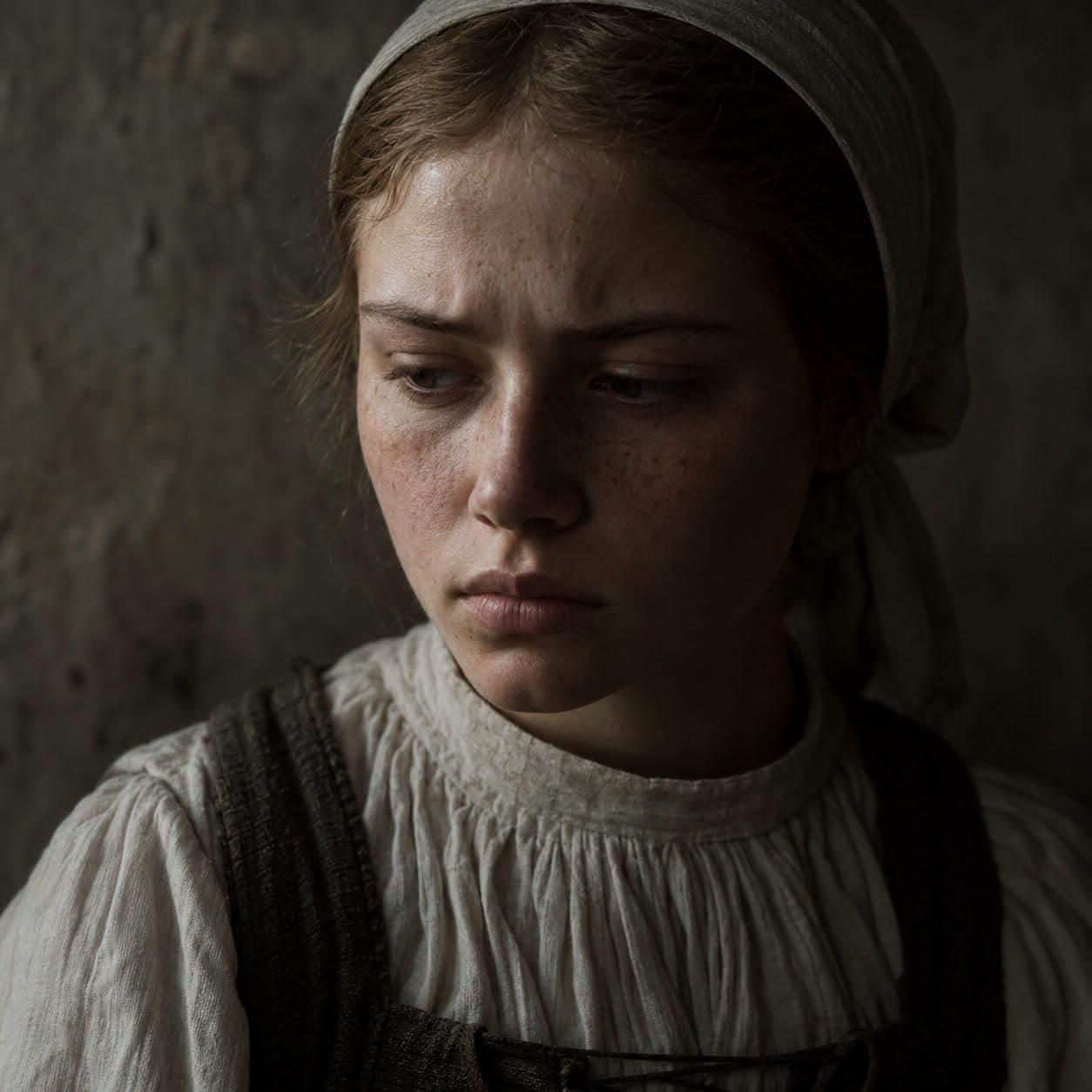
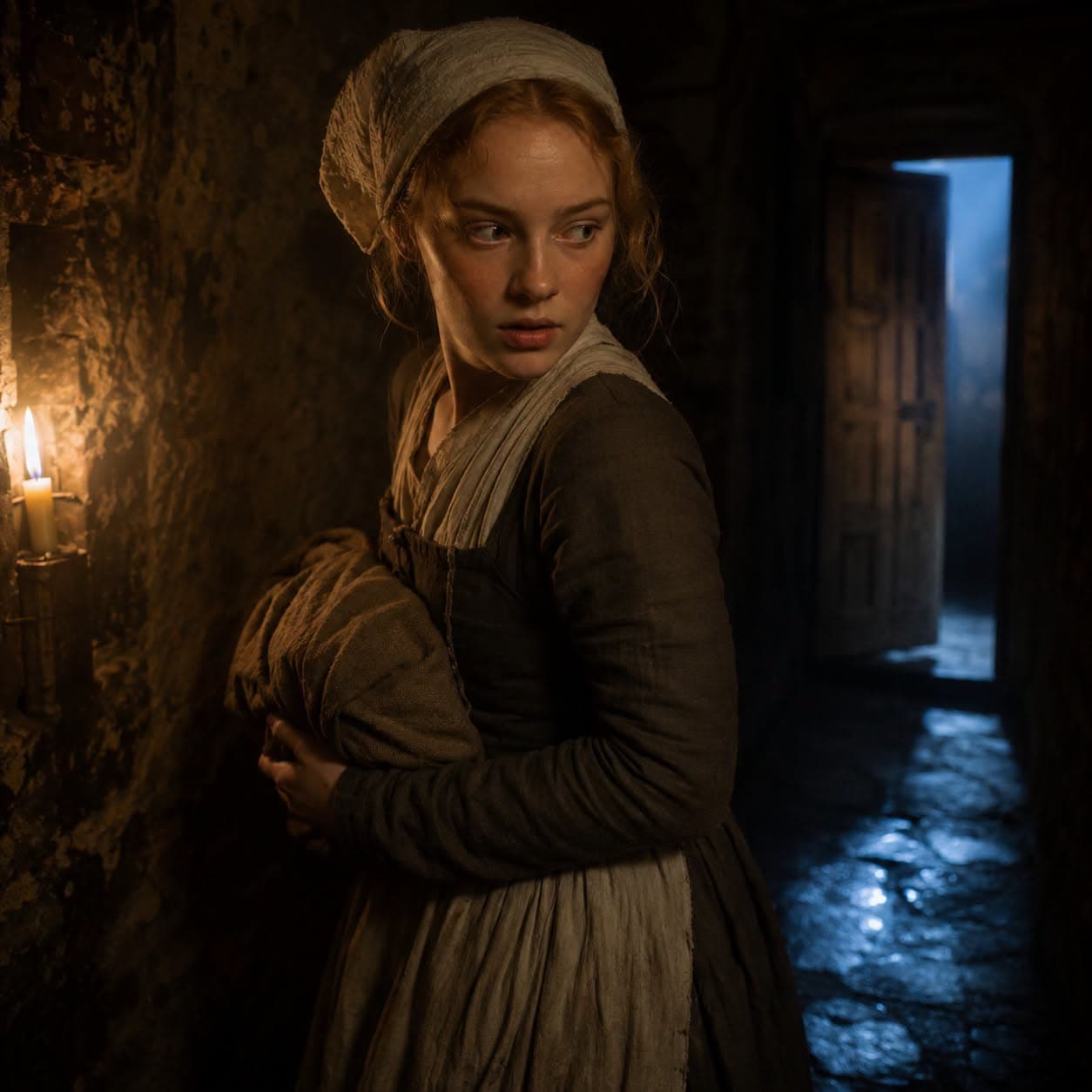
She had already been married once for someone else's ambition, and widowed by someone else's war. The second time, the price of the wedding was that her own mother had to be treated in law as though she were already dead.
Anne was fourteen when her father married her to Edward of Westminster, Prince of Wales, at Angers on 13 December 1470. Warwick had spent a decade fighting the Lancastrians before switching to their side, and Anne was the seal on the new alliance. Almost three weeks after her father died at Barnet, her husband died at Tewkesbury. She had been a wife for nearly five months. Now she was a widow, nearly fifteen years old, and worth more unmarried than she had ever been married.
George, Duke of Clarence, took her into his household next, not as a kindness but as a lock. Clarence had married Anne's sister Isabel two years earlier, and Anne, unmarried, represented the other half of the largest fortune in England still sitting unclaimed. He kept her close and out of reach. One account, never fully confirmed, has her escaping his household disguised as a kitchen servant. What is certain is that Richard, Duke of Gloucester, went looking for her, found her, and moved her into sanctuary at St Martin-le-Grand, where he asked her to marry him.
Westminster Abbey records the wedding as 12 July 1472. The specialists who have gone back through the papal dispensation and the parliamentary record think it likely happened somewhat earlier, the dispensation itself is dated 22 April that year, and the paperwork points toward late spring or summer rather than a fixed July date. The date most people repeat is the one carved into the popular record. The date the archive actually supports is less certain.
What the marriage cost to arrange was colder than the date. To split the Warwick inheritance between the two royal brothers, Parliament passed an act treating Anne's own mother, Anne Beauchamp, Countess of Warwick, as though she were already dead, so her estates could pass directly to her daughters and their husbands without waiting for an actual death. She was not dead. She lived another eighteen years past the act that erased her.
Anne became Duchess of Gloucester at sixteen, and queen at twenty-seven when Richard took the crown in 1483. Their son Edward died at Middleham the following spring. Anne herself began failing within months, and the court was already murmuring about Richard's niece, Elizabeth of York, before Anne was in the ground. She died on 16 March 1485, during a solar eclipse, likely of tuberculosis.
She was buried in Westminster Abbey with no stone to mark the spot. Nothing was placed there until 1960, four hundred and seventy-five years later.