Anne of Cleves: The Woman Henry VIII Tried To Get Rid Of And Accidentally Made Rich
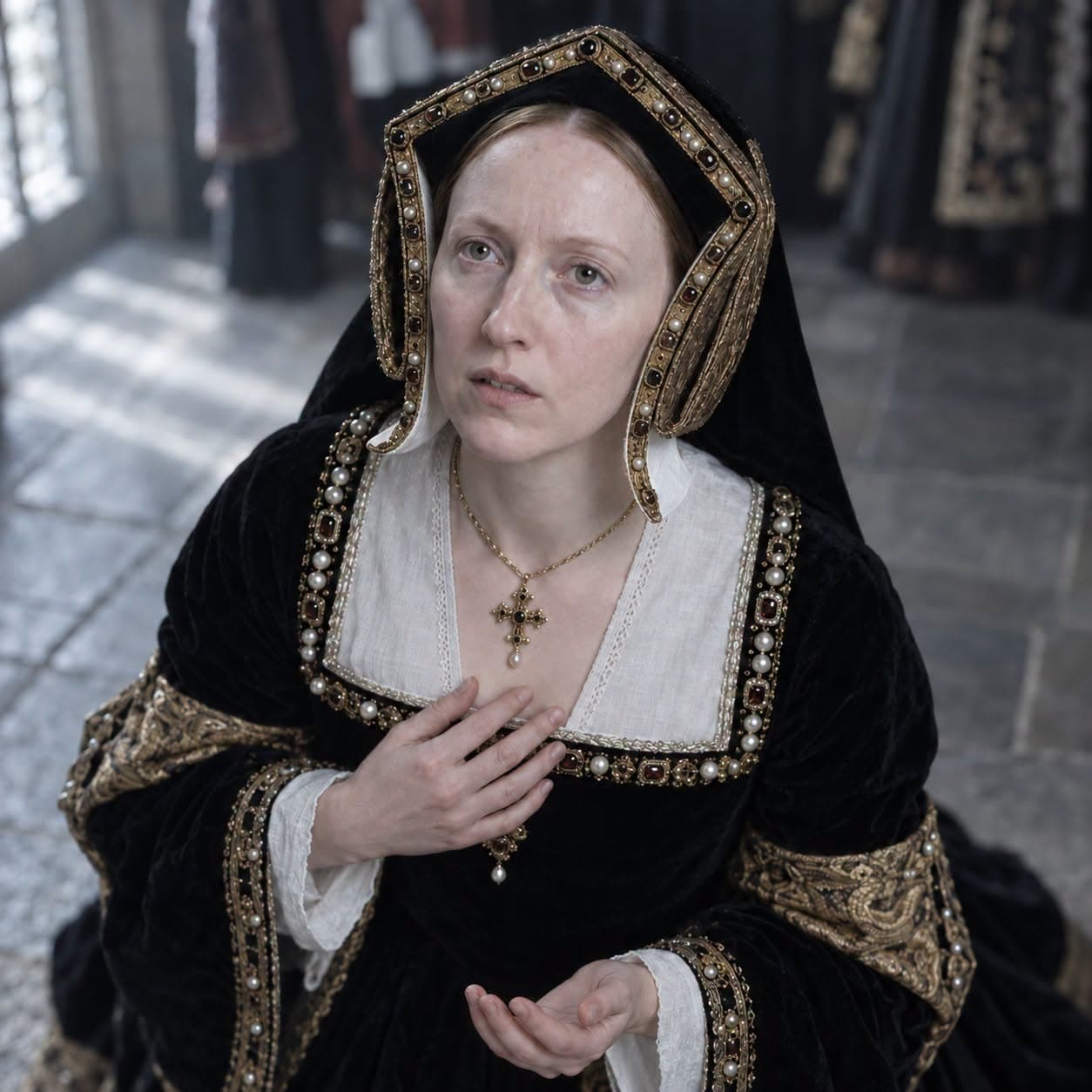
In 1539 Thomas Cromwell, Henry VIII's chief minister, needed a Protestant diplomatic alliance and decided the ideal vehicle for this was a marriage between Henry and Anne of Cleves, daughter of a German duke. He commissioned a portrait from Hans Holbein, who was an extraordinary painter and who produced a likeness of Anne that was, by the standards of the evidence available, somewhat optimistic. Henry looked at the portrait, said yes, and dispatched a welcoming party to collect his new queen.
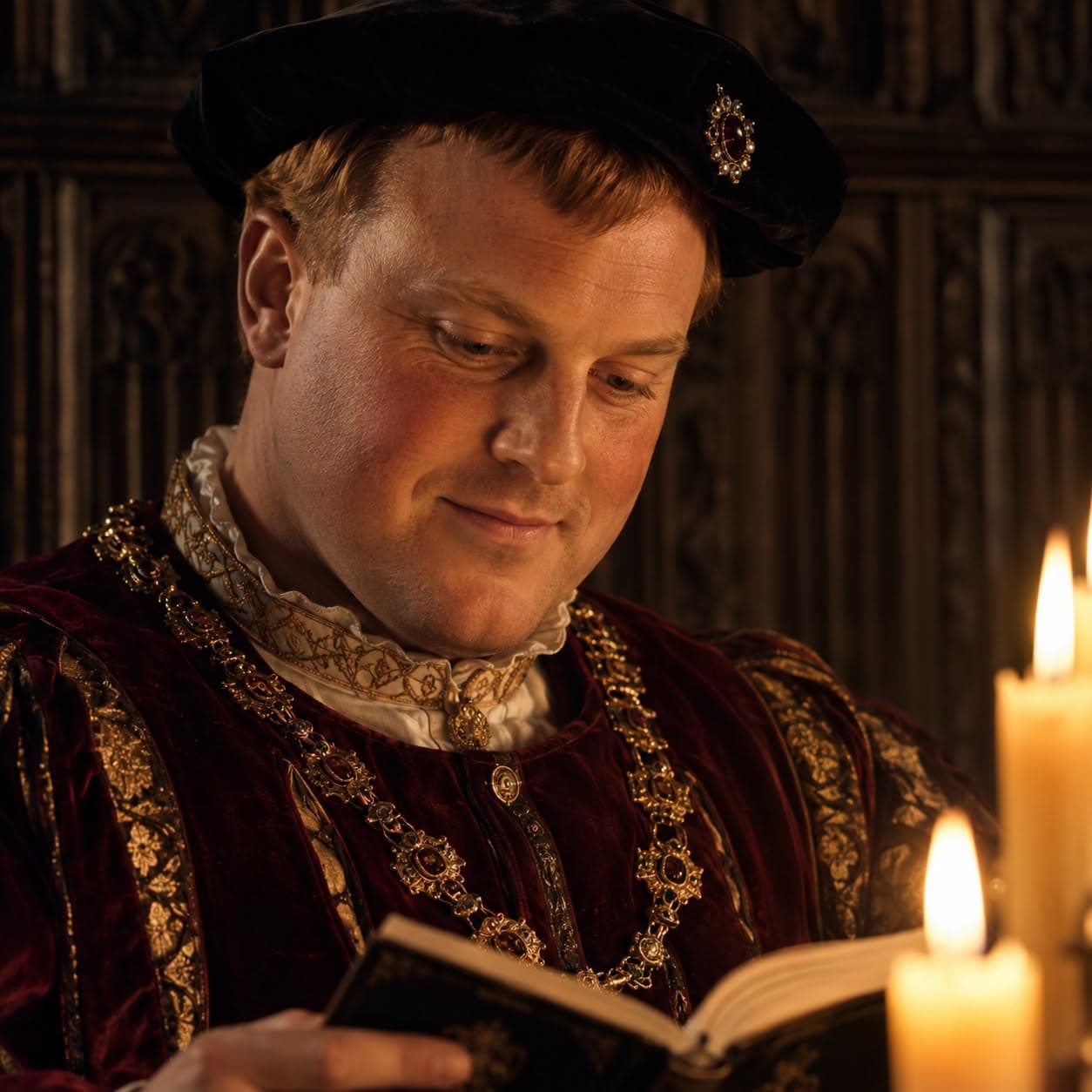
Anne arrived at Rochester in January 1540. Henry, in a characteristically sophisticated display of romantic spontaneity, disguised himself as a commoner and burst in on her unannounced to surprise her, a move he had apparently used successfully before and which says something fairly comprehensive about the women who had previously pretended to find it charming. Anne, who had no idea who this large aggressive stranger bursting through her door was, reacted as any reasonable person would and basically ignored him.
Henry left Rochester in a fury, described Anne as a Flemish mare to several witnesses, and spent the next six months trying to get out of the marriage while everyone around him tried to explain that the diplomatic alliance was rather important. He married her in January. He annulled it in July. The marriage was never consummated, a fact Henry announced publicly with the specific energy of a man who wanted this very clearly on the record.
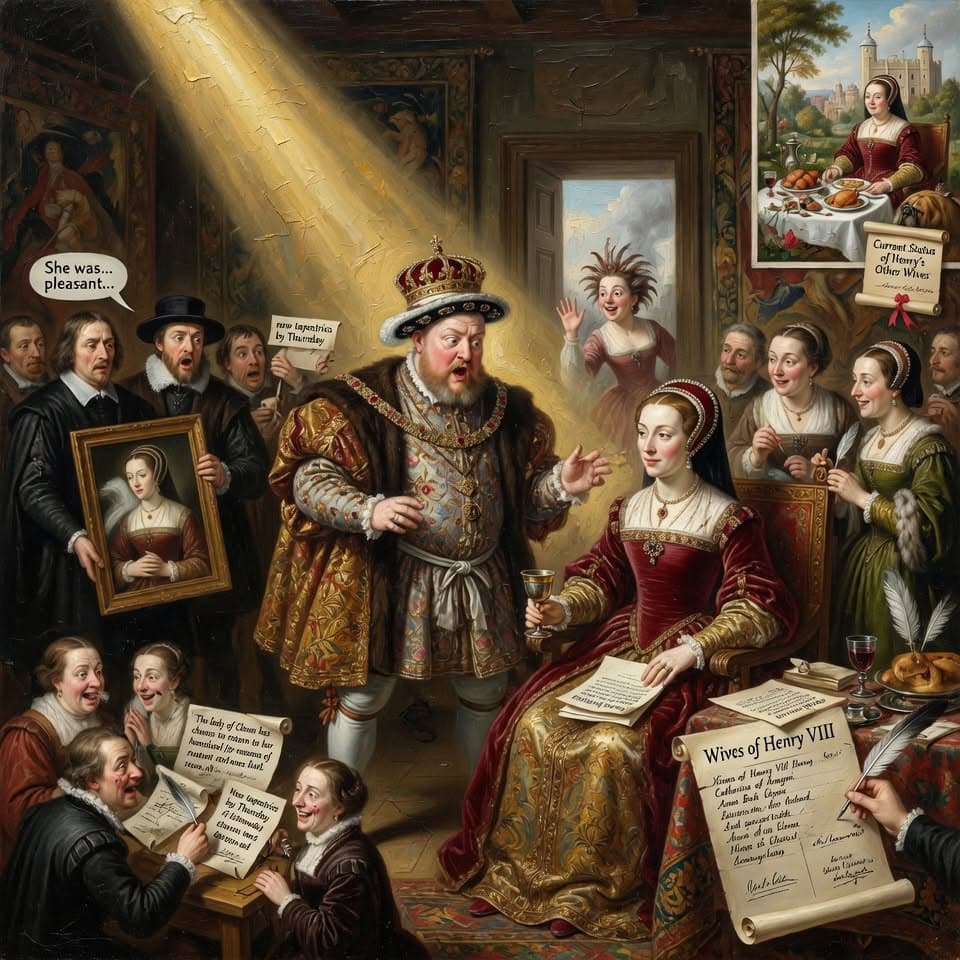
What happened next is where the story stops being Henry's and becomes entirely Anne's. The annulment negotiations produced, for Anne, the following: an annual income of 500 pounds, which made her one of the wealthiest women in England, Hever Castle, Richmond Palace, use of several other properties, the title of the King's Beloved Sister, precedence at court above everyone except Henry's actual wife and daughters, and her complete personal freedom.
Henry, who had approached these negotiations under the impression that he was dispensing with an inconvenience, had accidentally produced the best severance package in Tudor history. Anne accepted every item with the focused thoroughness of a woman reading a contract very carefully before signing. She then stayed in England, learned English, threw excellent parties, became genuinely popular at court, and spent the next seventeen years living comfortably in her castles while the situation around Henry deteriorated at speed.
Catherine Howard, his fifth wife, was executed in 1542. Catherine Parr, his sixth, survived by the skin of her teeth. Anne outlived Henry himself by ten years, dying peacefully in 1557 in her own bed at the age of 41, which in the context of Henry VIII's court represents an achievement of almost athletic proportions.
The Tudor court had a nickname for Anne of Cleves. They called her the lucky wife, which is accurate as far as it goes but rather undersells the intelligence involved. Anne had arrived in England knowing almost no English, from a court with entirely different customs, sent to marry a man with a well-documented habit of disposing of wives, and she had navigated the entire situation with a composure and pragmatism that left her, at the end of it, richer, freer and considerably more comfortable than almost anyone else who had spent significant time in Henry VIII's orbit.
Holbein, whose flattering portrait had started the whole thing, continued working. Cromwell, whose idea it had been, was executed in June 1540, just three weeks after the wedding took place. Henry went on to two more wives with the outcomes previously noted. Anne went home to Hever Castle. She had, by any objective measure, won. She appears to have been entirely aware of this.