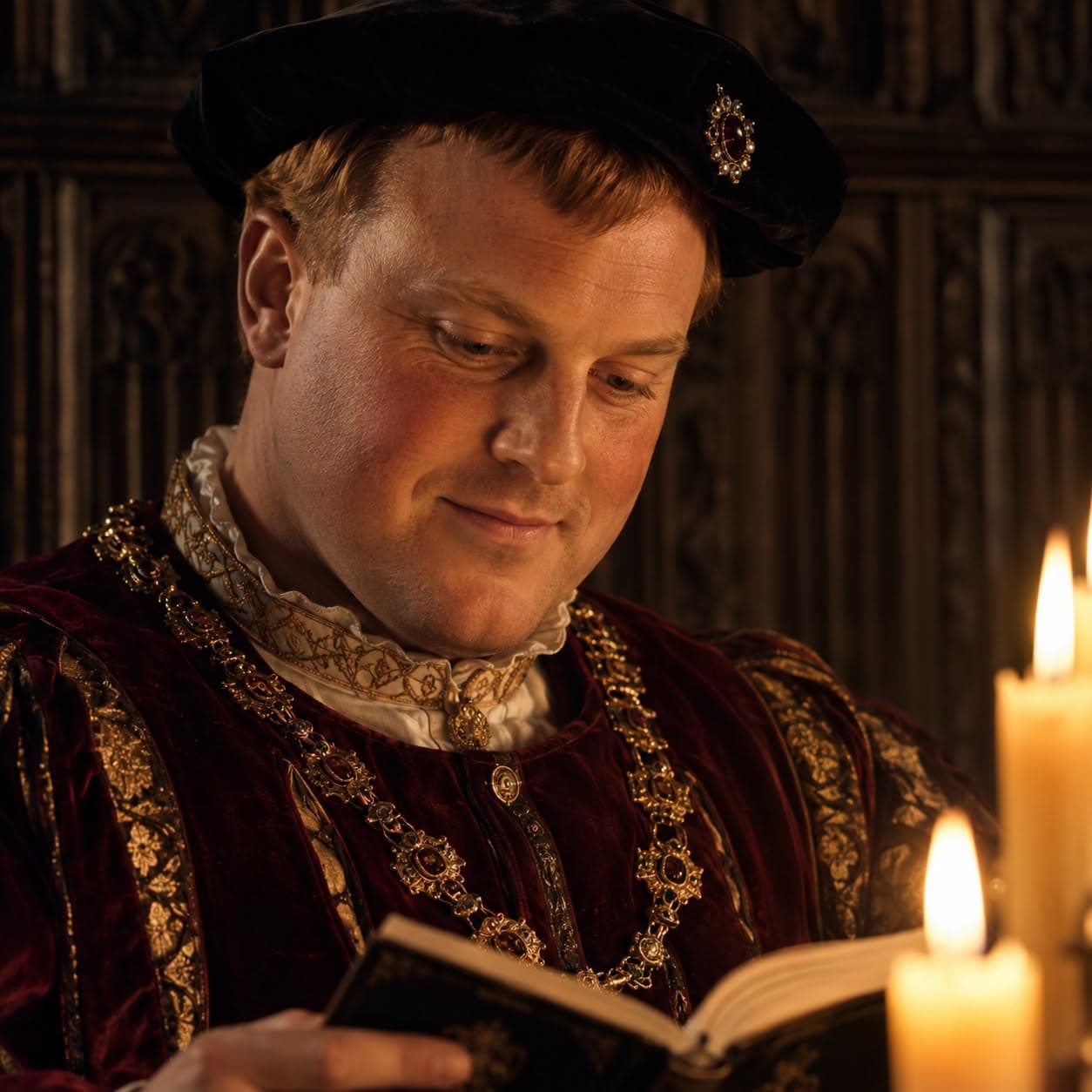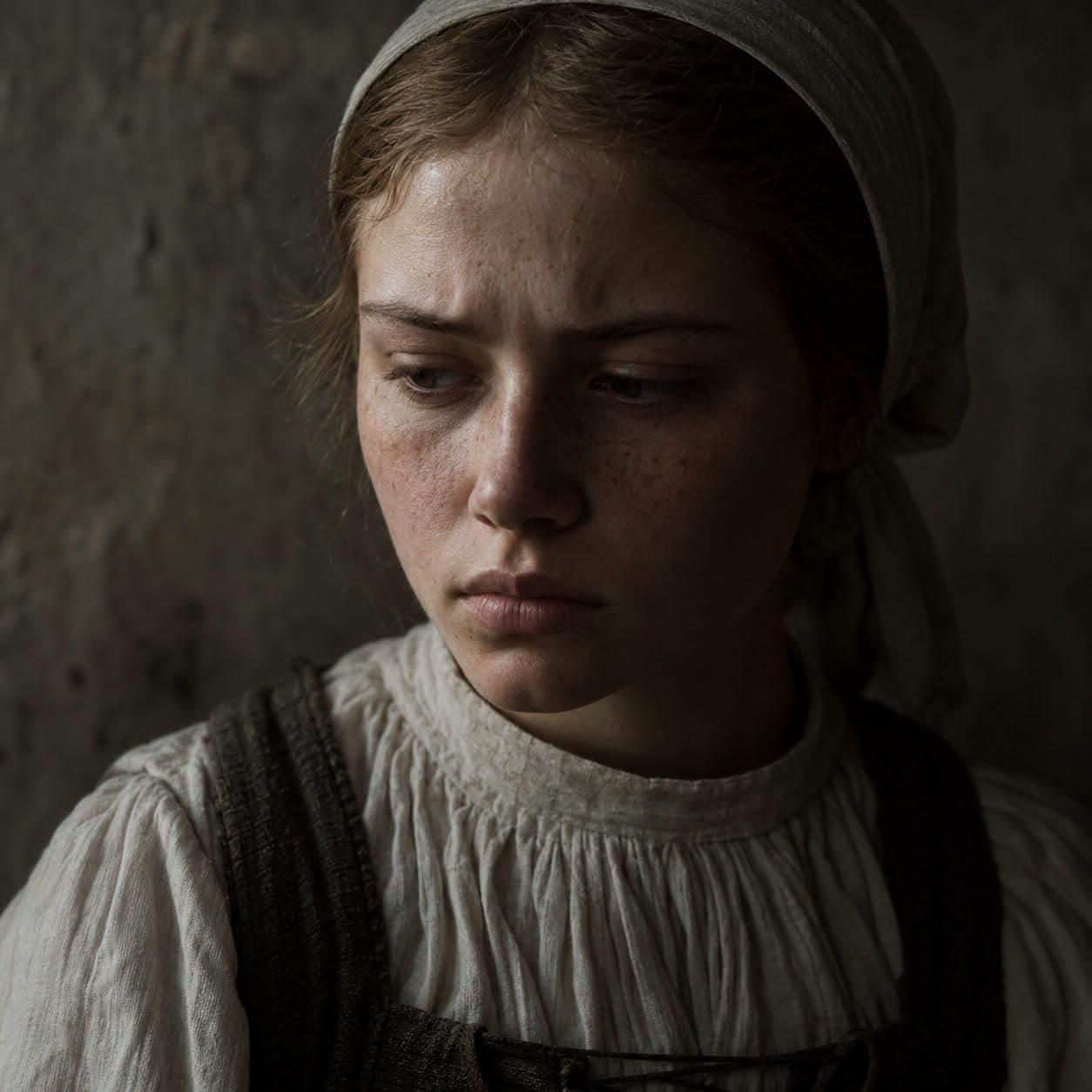

Outside, the cannons were still firing. One hundred and one rounds for a daughter. Three hundred for a son. Nicholas counted. Then he went for a walk and left his newborn daughter in a room he was not ready to enter.
It was the eighteenth of June 1901 at the palace of Peterhof, and the child in that room was the fourth daughter born to Tsar Nicholas II and his wife Alexandra in six years. They had named her Anastasia. The court did not attempt to hide what it felt. Grand Duchess Xenia, Anastasia's own aunt, wrote in her diary that day: my God, what a disappointment, a fourth girl. Grand Duke Konstantin wrote: forgive us Lord if we all felt disappointment instead of joy, we were so hoping for a boy. These were the people closest to the throne, writing what they thought within hours of her birth, and what they thought was that she was the wrong kind of child.
The Pauline Laws of succession were simple and absolute: only a male could inherit the Russian throne. Nicholas had known this since before he was tsar. Alexandra had known it since before she was tsarina. Three daughters had arrived before Anastasia and each one had narrowed the space available for hope. Nicholas was thirty-two years old in the summer of 1901, young enough that time remained, but the pressure had been building since the first daughter and it did not let up when the fourth arrived.
He walked the gardens of Peterhof until he had composed himself into the man the situation required, and then he went inside and visited his wife and his new daughter, and his diary that evening recorded her birth with tenderness, noting her weight, thanking God. He had swallowed whatever he felt on the walk and put something more manageable in its place. He had been doing that his entire reign.
The three hundred cannons fired three years later, on the twelfth of August 1904, when Alexei Nikolaevich was born and the dynasty finally had its heir. The relief across the empire was immense and visible and brief, because within weeks it became clear that Alexei had haemophilia, the bleeding disorder inherited through his mother's line from Queen Victoria, and the son Nicholas had waited nine years for could bleed to death from a bruise. The heir the dynasty required was the dynasty's most carefully guarded secret. Rasputin arrived to manage what the doctors could not. The empire watched and did not know.
Anastasia grew up inside one of the most unusual childhoods in Europe. She and her sisters and brother were raised with a deliberate simplicity that ran against the grain of everything around them, sleeping on hard camp beds, bathing in cold water, wearing each other's handed-down clothes. The five children called themselves OTMA, an acronym of their first initials, a collective identity that held the four girls as a unit distinct from the court outside them. Anastasia was the youngest of OTMA and she played that role with energy, physically bold, relentlessly mischievous, the one the tutors found hardest to contain. She had a Kodak Brownie camera and took photographs of herself with it, holding it at arm's length and recording her own face with the straightforward curiosity of a girl who had not yet learned to be careful about what she let show.
She did not know what was outside the edges of the life she was living. Outside those edges, the Russia Nicholas had inherited was coming apart along fractures that had been running since before he was tsar. The 1905 revolution had been suppressed but not resolved. The First World War had begun in 1914 and was consuming Russian men at a rate the empire could not sustain. By 1917 the Romanovs had been removed from power and were under house arrest, and the particular cruelty of what followed was that it happened slowly enough for them to understand each stage of it.
They were moved to Yekaterinburg in the Ural Mountains in April 1918 and held in a house the Bolsheviks had renamed the House of Special Purpose. In the early hours of the seventeenth of July 1918 the family was woken and told to dress and brought to the basement, told there was unrest in the city and they would be safer below. Nicholas carried Alexei because the boy could not walk. Anastasia carried her dog. They were arranged in two rows in a low-ceilinged room and the executioners came in and read a prepared statement and opened fire.
Anastasia was seventeen years old.
Nicholas had walked away from her birth across the lawns of Peterhof on a summer morning in 1901, unable to find the words to go inside. Seventeen years later he carried his son into the same room as his daughters and did not walk away.