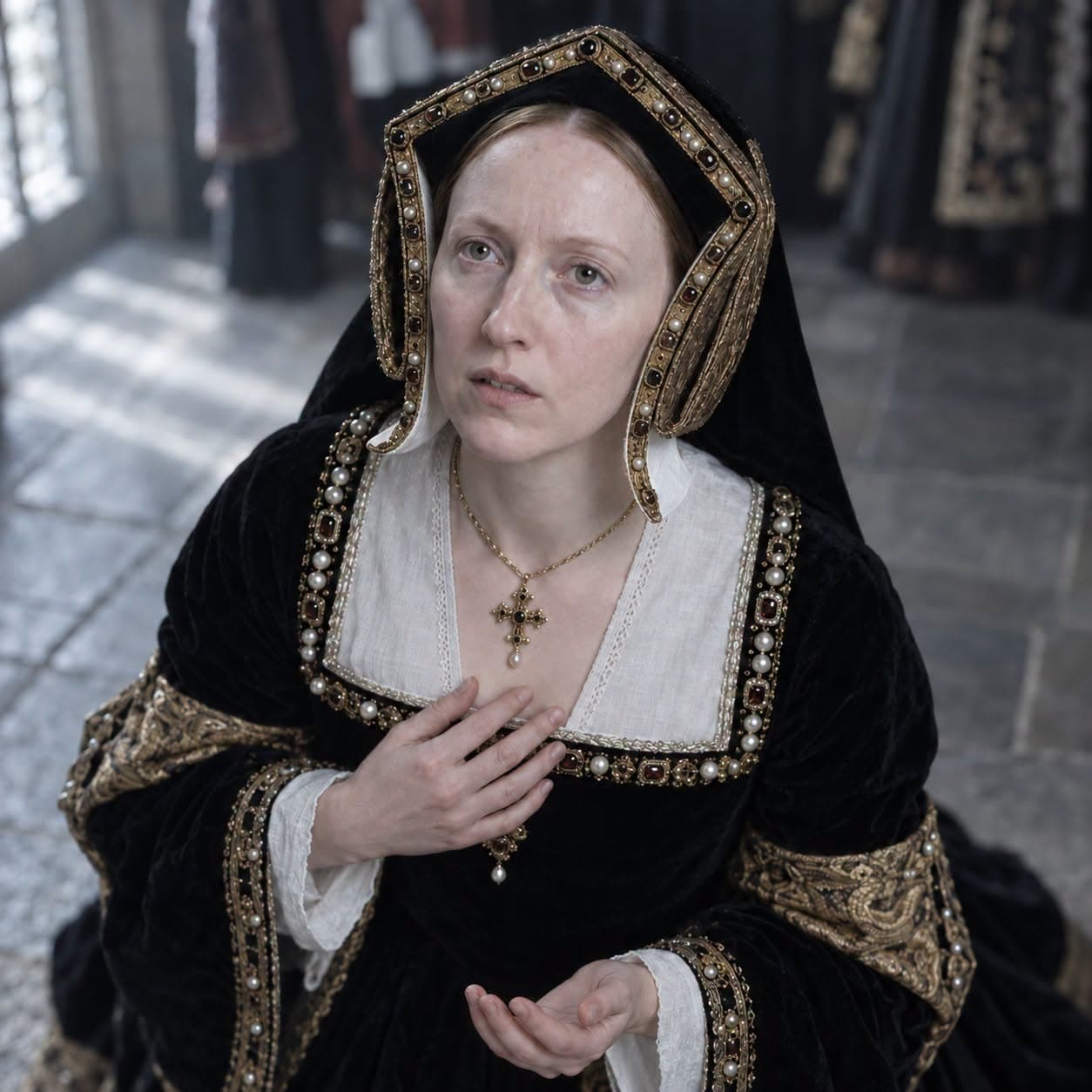

She hit the water with her hands bound.
The Danube in October runs fast and cold. She fought her way to the surface anyway. She found the bank. She pulled herself onto it, soaking, alive.
The executioner waded in after her.
He pushed her back under and held her there until it was done.
This is the story of Agnes Bernauer. A barber's daughter from Augsburg. Twenty-five years old. Killed not because she had done anything wrong, but because she had married the right man at the wrong rank.
Nobody who mattered ever faced a single consequence for it.
Agnes was born around 1410 in Augsburg, the daughter of a barber-surgeon. Skilled work. Honest work. Not the kind of work that placed your daughter in the orbit of Bavarian royalty. The historical record doesn't preserve much of her early life. Women without titles rarely left deep paperwork. But what survives describes her as beautiful, composed, and by all accounts completely without enemies among the people who actually knew her.
Her enemies came from above.
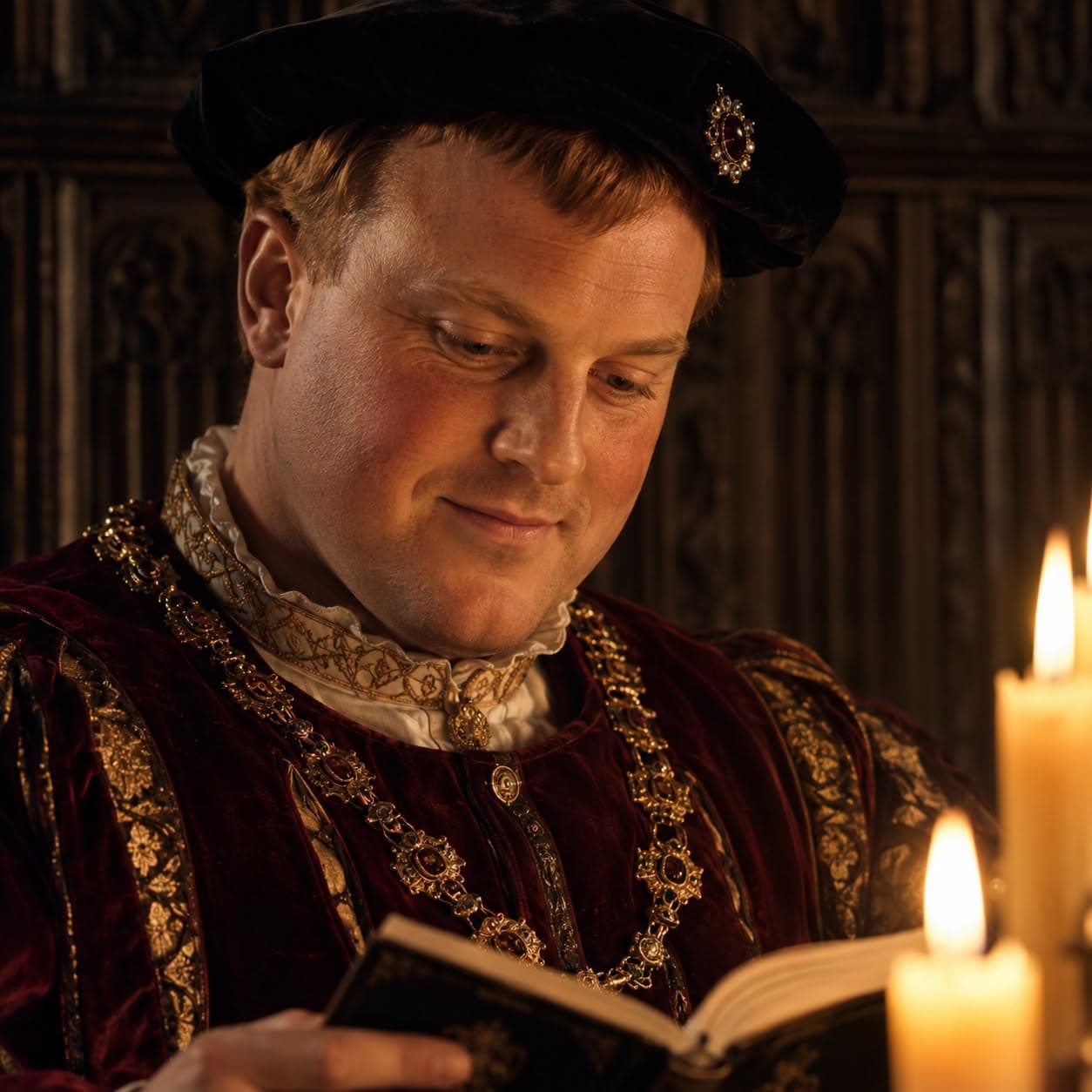
In February 1428, Duke Albert III of Bavaria rode into Augsburg for a tournament. He was young, wealthy, and the heir to one of the most powerful duchies in the Holy Roman Empire. He saw Agnes Bernauer. He brought her back with him.
She appears in a Munich tax roll dated 1428 as a member of his court. By the early 1430s, by most accounts, he had married her secretly. No political negotiation. No alliance. No lands exchanged between families. Only a decision that this was the woman, and that dynasty could wait.
For seven years she lived at his court. Her household was at Straubing, a prosperous river town on the Danube. The people there called her gracious. She had no enemies in the streets.
She had one enemy. And he had been watching for seven years.
Duke Ernest, Albert's father, had calculated the situation with cold clarity. A barber's daughter sitting in a ducal household. Receiving the courtesies owed a duchess. Potentially bearing children who would inherit Bavaria. In his world, this was not a love story. It was a problem with a solution.
In October 1435, he arranged that solution.
He organised a hunting party. He invited his son. Albert rode out from Straubing.
While he was gone, the men came for Agnes.
The charge written against her was witchcraft. That her hold over Albert was proof of sorcery. That no natural woman could have kept a duke from a suitable marriage for seven years through natural means alone. This charge was not an investigation. It was paperwork. A legal surface placed over a decision that had already been made by a man who needed no courtroom to do what he intended to do.
They took her to the bridge over the Danube on 12 October 1435.
The chronicler Andreas von Regensburg recorded what followed. They threw her from the bridge. She surfaced. She swam to the bank.
The executioner pushed her back under.
Albert came home from the hunt to find his wife dead.
What passed between a son and the father who had just drowned his wife, we cannot know. What was said. What was felt. Whether grief came first or fear. Whether Albert looked at Duke Ernest and understood, in that moment, exactly what kind of man he had always been living under.
What we know is what Albert did next.
He reconciled with his father within months. The following year, he married Anna of Brunswick. A woman of suitable rank, appropriate lineage, and the correct number of noble ancestors. He commissioned a chapel at Agnes's grave in Straubing. He arranged for Masses to be said for her soul. He did the minimum a man could do and still tell himself he had not entirely abandoned her.
Duke Ernest died in 1438, in his bed, peacefully, with his honours intact.
Albert ruled Bavaria for decades afterward. He is recorded in the history books as Duke Albert III. A steady hand. A capable administrator. A man who made sensible decisions.
Agnes Bernauer has a small memorial in Straubing. Every four years the town holds a festival in her name. A German playwright made her the subject of a tragedy in 1852. Carl Orff wrote an opera about her.
Most people who have heard of Carl Orff cannot name the woman at the centre of his most famous stage work.
She was twenty-five years old. A barber's daughter with no title, no army, and no family powerful enough to ask a single question about what had been done to her. The most powerful man in Bavaria decided she was inconvenient. His son rode out on a hunting trip and came home to a chapel and a suitable second wife.
She fought her way to the bank. Twenty-five years old. A barber's daughter with her hands bound and the cold Danube around her, and she still fought her way to the bank.
They just didn't let her stay there.
Her name was Agnes Bernauer.